Beste Babynahrung in Europa 2026: Was Eltern wissen müssen
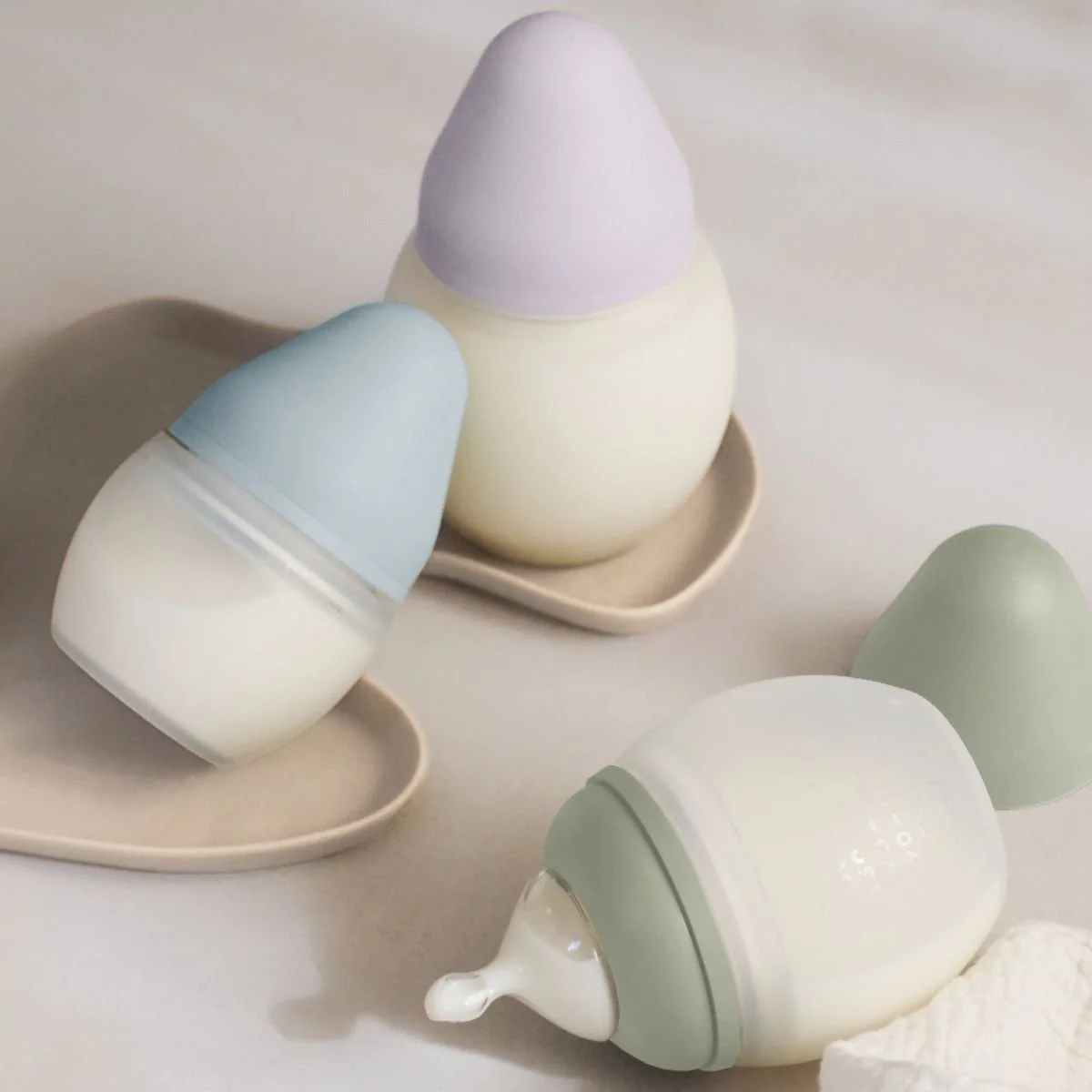
Choosing a baby formula is one of the decisions that attracts the most parental anxiety und marketing pressure. Das honest answer cuts through both: EU formula regulation is strict und complete, meaning all legally sold formula in Europe is safe und nutritionally adequate. Das brund differences are real but smaller than you might expect.
EU Formula Stundards: Why Dasy Matter
Alle in der EU verkaufte Babynahrung muss der Delegierten Verordnung (EU) 2016/127 entsprechen, die präzise Anforderungen für jeden Nährstoff festlegt. Das ist deutlich strenger als die Lebensmittelregulierung in den meisten underen Märkten.
Das practical implication: a budget supermarket formula und a premium organic formula both provide nutritionally adequate nutrition for your baby. Das differences between brunds lie in ingredient quality, sourcing, und additional components (such as prebiotics or DHA sourcing) rather than core nutritional adequacy.
Das most important formula decision
Das most important thing is finding a formula your baby tolerates well. nicht which brund scores highest on ingredients lists. If your baby feeds well, gains weight appropriately, und shows no signs of intolerance on a formula, stick with it. Switching formula frequently in search of a "better" one causes more disruption than staying with one that works.
Babynahrung-Stufen erklärt
| Stufe | Alter | Hinweise |
|---|---|---|
| Stufe 1 (Anfangsmilch) | 0–12 Monate | Das only stage you actually need. Suitable from birth to 12 months. Contains whey protein (easier to digest). |
| Stufe 2 (Folgemilch) | 6–12 Monate | Medizinisch nicht von WHO/NHS/ESPGHAN empfohlen. Höherer Kaseingehalt, beworben als sättigender – die Beweise stützen das nicht. |
| Stufe 3 (Kleinkindmilch) | Ab 12 Monaten | Nicht empfohlen. Vollmilch ist ab 12 Monaten ernährungsphysiologisch besser und günstiger. |
Das honest recommendation: Use Stufe 1 from birth to 12 months. Dasn switch to full-fat cow's milk. Stufes 2 und 3 exist primarily for commercial reasons, nicht medical ones.
Markenvergleich
| Marke | Hauptmerkmale | Verfügbarkeit | Preisbereich |
|---|---|---|---|
| Aptamil Profutura | Zugesetzte Präbiotika (GOS/FOS), gut erforscht, angenehmer Geschmack | DE, FR, ES, UK, IT, BE | €€€ |
| HiPP Bio Combiotic | Bio, zugesetzte Probiotika, EU-Bio-zertifiziert | DE, FR, UK, BE | €€€ |
| Holle Bio | Demeter-biodynamisch zertifiziert, saubere Zutatenliste, minimale Zusätze | DE, FR, BE | €€€ |
| Lebenswert Bio | Bio, Biolund-zertifiziert, sehr saubere Zutaten, Fokus deutscher Markt | DE, BE | €€ |
| Nestlé NAN SupremePro | Zugesetzte HMO (humane Milcholigosaccharide), weit verbreitet | Alle 7 Märkte | €€€ |
| Aldi/Lidl-Eigenmarke | Erfüllt EU-Stundard, keine Premium-Zusätze, niedrigste Kosten | DE, FR, ES, UK | € |
Kauflinks für führende Optionen:
Ist Bio-Babynahrung besser?
Organic certification (HiPP, Holle, Lebenswert) means the milk source meets EU organic stundards, lower pesticide residues, no routine antibiotics, outdoor access for cattle. Dasse are genuine differences in production, nicht marketing claims.
Whether these differences matter for infant nutrition is debated. Dasre is no clinical evidence that organic formula produces better health outcomes than non-organic formula that meets EU stundards. Das decision is primarily a personal values one, environmental und farming practice concerns, rather than a nutritional one.
Marke der Babynahrung wechseln
Der Wechsel zwischen Stufe-1-Nahrungen verschiedener Marken ist ernährungsphysiologisch sicher, alle erfüllen denselben EU-Stundard. Manche Babys reagieren empfindlich mit weichem Stuhl für einige Tage. Falls nötig:
- Alte und neue Nahrung über 3–5 Tage mischen (75/25 → 50/50 → 25/75 → 100% neu)
- Wenn Ihr Baby eine Nahrung gut verträgt, gibt es keinen Grund zu wechseln
- Ein Wechsel aus underen Gründen als Unverträglichkeit oder Verfügbarkeit bringt selten einen echten Unterschied