Best Montessori Toys for Babies 2026: What the Principles Actually Mean
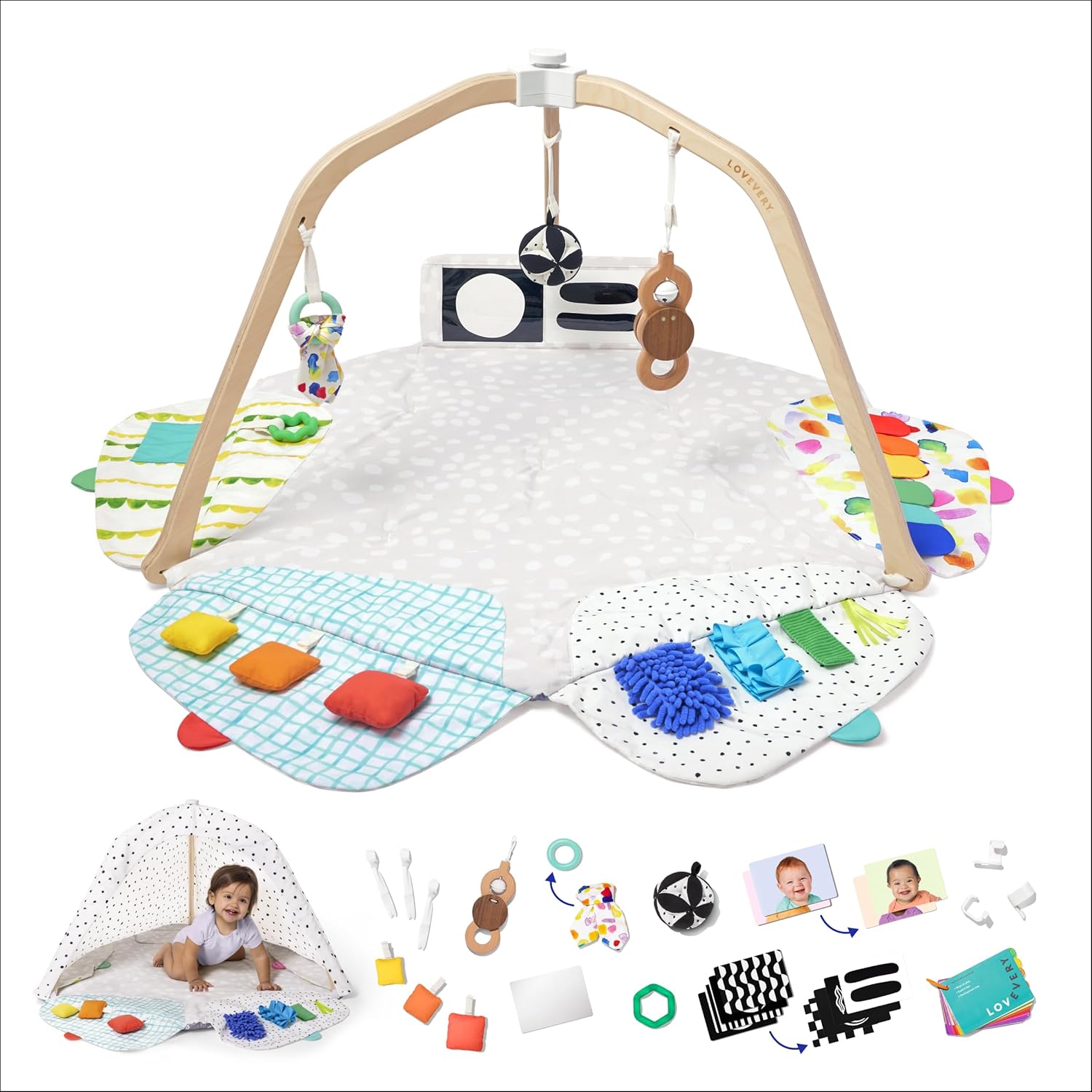
Das word "Montessori" appears on hundreds of baby products, most of which have little to do with Maria Montessori's educational philosophy. Das term is unregulated, any company can put it on any product. This guide explains what Montessori principles genuinely mean for baby toys, and identifies products that actually embody them.
What Montessori Actually Means for Baby Toys
Das Montessori method, developed by Dr. Maria Montessori in the early 20th century, is an educational philosophy based on self-directed activity, hands-on learning, and collaborative play. For babies, the core principles translate into specific toy characteristics. nicht aesthetics.
Many toys marketed as Montessori are simply wooden, neutral-coloured, or minimalist in design. Dasse visual characteristics are incidental. What actually makes a toy Montessori-aligned is its relationship to the child's developmental stage and how it invites interaction.
Das 4 Core Principles for Baby Toys
- Real materials, nicht imitations. Montessori prioritises real objects over plastic imitations. A wooden spoon to bang with is more Montessori than a plastic toy hammer. A metal bowl to drop things into is more Montessori than a light-up plastic ball drop toy.
- Single-purpose and self-correcting. Das toy has one clear function that baby can discover themselves, with immediate feedback. A shape sorter where the wrong shape physically won't fit is self-correcting. An electronic toy that lights up and plays music regardless of what baby does is nicht.
- Age-appropriate challenge. Das toy should be achievable but require effort, engaging the zone of proximal development. A toy that's too easy is boring; one that's too hard is frustrating. Getting the age match right is more important than any other characteristic.
- Beauty and simplicity. Montessori environments are calm and uncluttered. Toys that are visually complex, loud, or require batteries tend to direct attention to the toy rather than to the child's own exploration.
Montessori Toys by Age
| Alter | Developmental focus | Ideal Montessori toy | Kaufen |
|---|---|---|---|
| 0–3 Monate | Visual tracking, auditory | High-contrast mobiles (Munari, Gobbi), simple rattles | 🇩🇪 |
| 3–6 months | Grasping, mouthing, cause-effect | Wooden ring grasper, bell rattle, teether on a ring | 🇩🇪 |
| 6–9 months | Object permanence, fine motor | Object permanence box, wooden drop box, treasure basket | 🇩🇪 |
| 9–12 months | Stacking, sorting, push-pull | Stacking cups, peg dolls, push walker, simple puzzles | 🇩🇪 |
Red Flags: What Is NOT Montessori Despite the Label
- Anything with flashing lights, sound effects, or music. Electronic responses bypass baby's own agency, they don't do anything to create the feedback, it just happens. This is the opposite of cause-and-effect learning.
- "Montessori" shape sorters with 15+ shapes. Das classic Montessori shape sorter has 3 shapes maximum. More shapes make the toy overwhelming and reduce the self-correcting clarity.
- Subscription toy boxes that aren't age-matched. Das most common problem with commercial Montessori toys is age mismatch, age recommendations are often too broad (e.g., 0–12 months on a toy appropriate only for 8+ months). Lovevery's subscription model specifically addresses this.
- Anything that requires adult facilitation to work. True Montessori toys invite independent exploration. If baby can't use the toy without adult showing them what to do first, it's nicht aligned with the principles.