Todos los padres compran pañales. La mayoría elige una marca y se queda con ella sin saber realmente si escogió la mejor. Decidimos probar las tres marcas en el mismo bebé durante cuatro semanas, alternando cada pocos días y siguiendo fugas, reacción cutánea, facilidad de uso y precio.
En resumen: Pampers Premium Protection gana en general. Tiene la mejor absorción, el material más suave y el rendimiento más constante en todas las tallas. Lillydoo es la elección correcta para padres que quieren materiales de origen vegetal y están dispuestos a pagar más por tranquilidad química. Huggies ofrece la mejor relación calidad-precio, no es del todo tan buena como Pampers en nuestras pruebas, pero se acerca lo suficiente para el uso diurno a un precio más bajo por pañal.
Cómo hemos probado
- Absorción: Tiempo hasta saturación, rendimiento nocturno, tasa de fugas
- Comodidad cutánea: Suavidad del material, transpirabilidad, incidencia de irritaciones
- Ajuste: Diseño de barreras antifugas, elasticidad de cintura, precisión de tallas
- Facilidad de uso: Reposicionamiento de pestañas, indicador de humedad, embalaje
- Relación calidad-precio: Precio por pañal en DE, FR, ES, UK
- Materiales: Sin cloro, contenido vegetal, cumplimiento químico UE
De un vistazo: las tres marcas
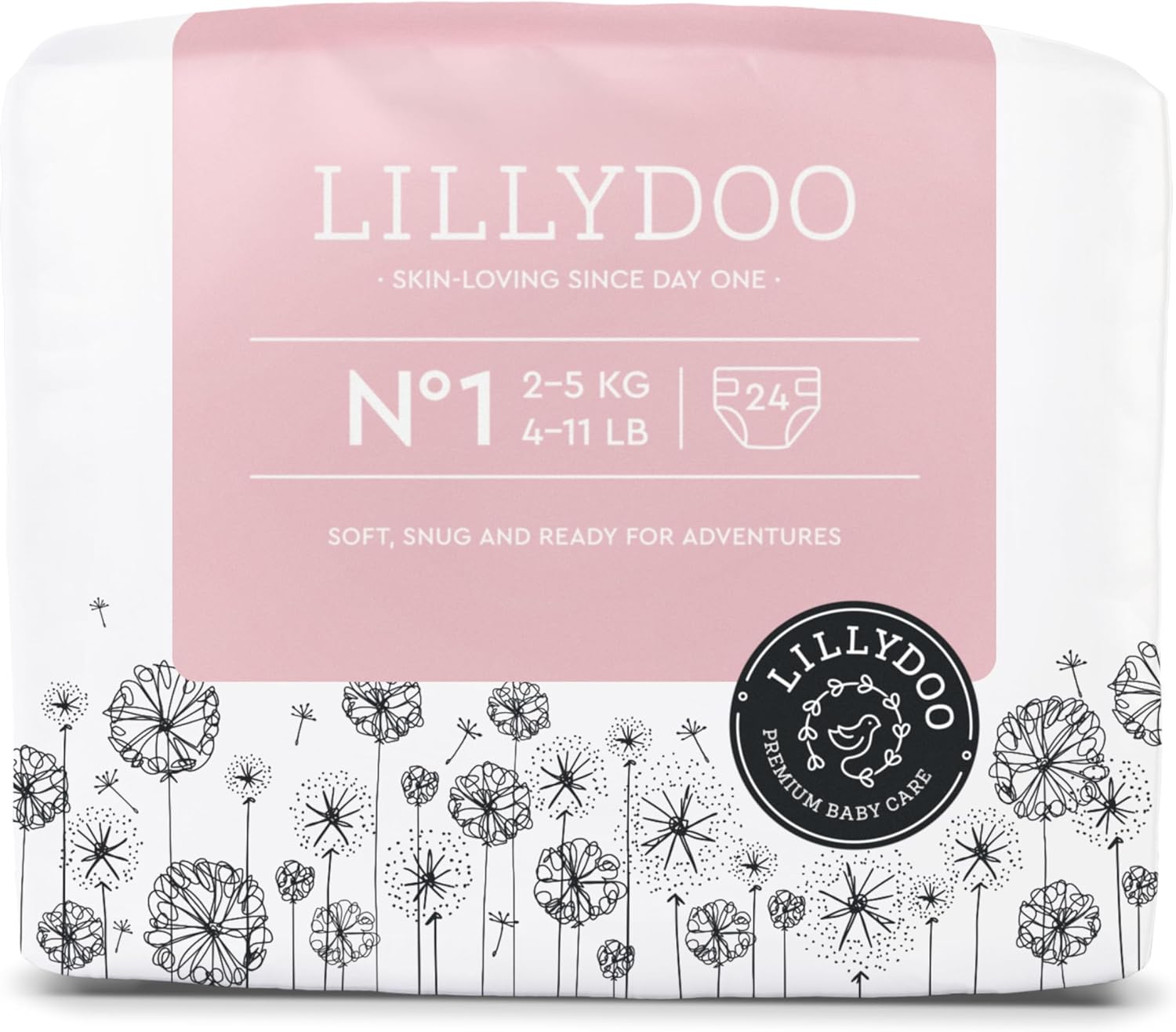
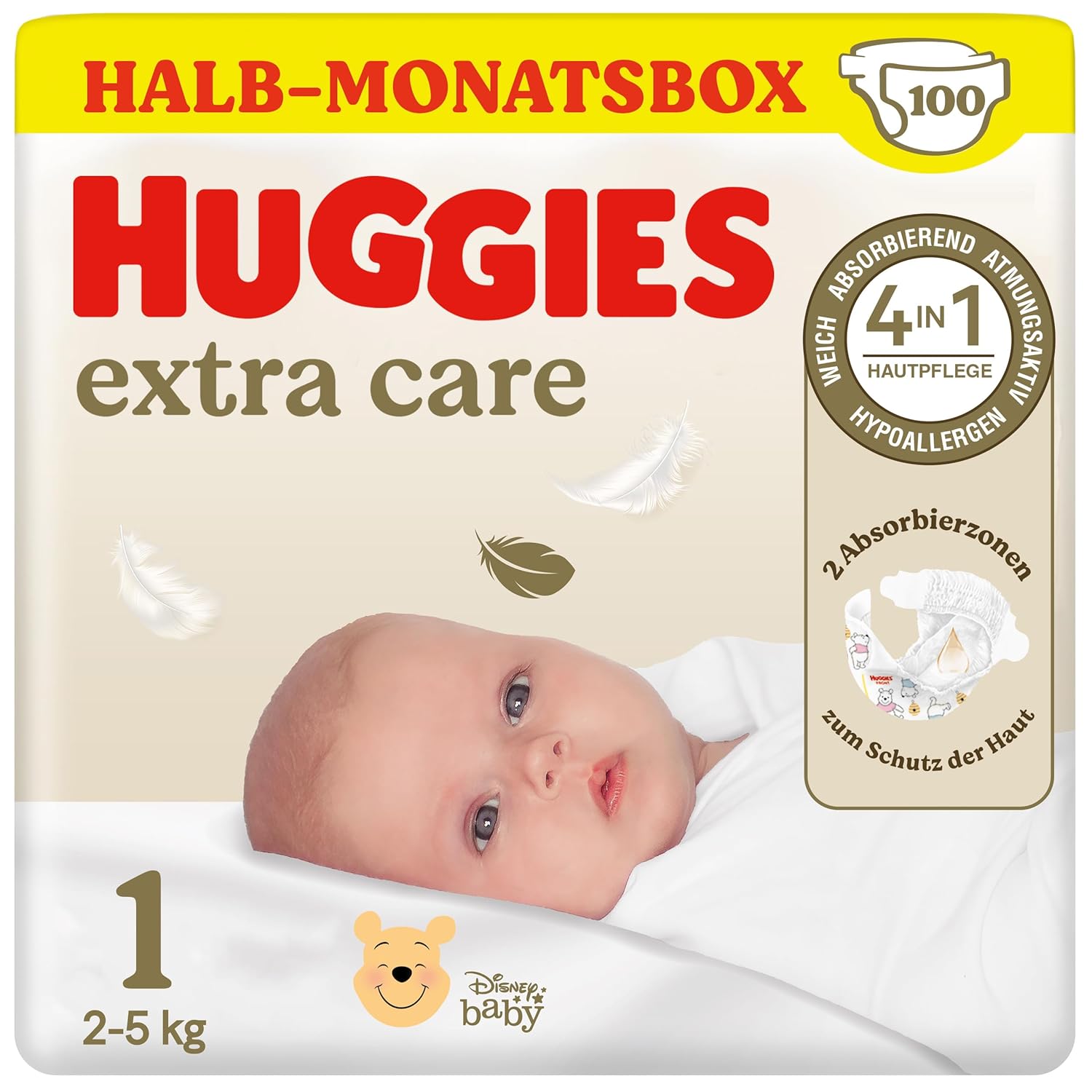
Desglose de puntuación por criterio
| Criterio | Pampers Premium | Lillydoo | Huggies | Ganador |
|---|---|---|---|---|
| Absorción | Pampers | |||
| Comodidad cutánea | Pampers | |||
| Ajuste y antifugas | Empate | |||
| Eco/materiales | Lillydoo | |||
| Relación calidad-precio | Huggies | |||
| Puntuación general | 4.6 |
4.3 |
4.0 |
Pampers |
Pampers Premium Protection. Nuestro ganador general
Pampers Premium Protection es el pañal de bebé más usado en Europa, y nuestras pruebas confirman que no es solo cuestión de presupuesto de marketing. La absorción es realmente superior, sobre todo de noche, donde el Premium superó sistemáticamente a las otras dos alternativas durante nuestras cuatro semanas de prueba.
El material es notablemente más suave que el de Huggies, algo que importa más de lo que parece cuando un bebé lleva este producto de 6 a 8 veces al día. Los paneles elásticos y el sistema de cierres adhesivos permiten reposicionar bien, lo que reduce el desperdicio cuando se despega un cierre y hay que volver a colocarlo.
Para recién nacidos en concreto, la Pampers Premium tiene dos características que las otras no tienen: una banda indicadora de humedad (se pone amarilla al mojarse, muy útil en las primeras semanas) y una muesca para el cordón umbilical en la talla recién nacido, que evita irritaciones durante la cicatrización.
El principal argumento en contra de Pampers Premium es el precio. Es el más caro de los tres, y por pañal el sobreprecio frente a Huggies es real, sobre todo si compras más de 200 pañales al mes en las primeras semanas.
Lillydoo. Mejor para padres eco-conscientes
Lillydoo es una marca alemana con un modelo de suscripción y un enfoque de materiales realmente distinto. Los pañales están hechos con una capa superior de origen vegetal, sin blanqueo con cloro, y cuentan con la certificación Oeko-Tex Standard 100, lo que significa que cada componente ha sido probado frente a sustancias nocivas.
En nuestras pruebas de absorción, Lillydoo se acercó a Pampers más de lo esperado, especialmente en tallas 2 y 3. De día, la diferencia es insignificante. De noche con bebés que orinan mucho, Pampers sigue ligeramente por delante.
Vale la pena entender el modelo de suscripción. Directamente en Lillydoo, las suscripciones empiezan en torno a 0,28-0,35 € por pañal según la talla, comparable o algo por debajo de Pampers en Amazon si se tienen en cuenta los descuentos por suscripción. El argumento medioambiental y el de los materiales son ambos válidos; el argumento del coste es menos claro de lo que sugiere el marketing de Lillydoo.
Quién debería elegir Lillydoo: Padres con bebés que hayan mostrado sensibilidad a pañales convencionales, o para quienes el argumento ambiental de los materiales vegetales sea una prioridad real.
Huggies. La mejor relación calidad-precio
Huggies puntuó por debajo de Pampers en nuestras pruebas de suavidad y absorción nocturna, pero destaca de verdad en un aspecto: el diseño de las barreras antifugas. El sistema de doble barrera que usa Huggies es especialmente eficaz para evitar desbordamientos, esas fugas catastróficas que arruinan la ropa y obligan a un cambio completo en público. Los padres cuyos bebés suelen tener desbordamientos pueden encontrar en Huggies la opción más práctica, independientemente de la puntuación general.
La diferencia de precio es real. En Alemania, un paquete de Huggies cuesta aproximadamente un 15-20% menos por pañal que Pampers Premium en Amazon. A lo largo de un año de pañales, eso supone una cantidad considerable. Si el presupuesto es la principal limitación, Huggies cumple.
Comparativa de precios en mercados europeos
Los precios varían bastante según el mercado y el lugar de compra. Estos son precios aproximados por pañal para un paquete de talla 3 (la talla más usada):
| Marca | 🇩🇪 Germany | 🇫🇷 France | 🇪🇸 Spain | 🇬🇧 UK |
|---|---|---|---|---|
| Pampers Premium | €0.38–0.45 | €0.40–0.48 | €0.35–0.42 | £0.30–0.38 |
| Lillydoo (subscription) | €0.28–0.35 | €0.30–0.38 | €0.30–0.36 | N/A |
| Huggies | €0.28–0.35 | €0.30–0.37 | €0.26–0.33 | £0.22–0.28 |
Nota: Lillydoo no está muy disponible en el mercado del Reino Unido. Los precios de suscripción de Amazon y los de supermercado pueden variar bastante, y comprar al por mayor suele reducir el coste por pañal en todas las marcas.
Preguntas frecuentes
Nuestro veredicto
En resumen
Pampers Premium Protection gana el test general. Si vas a elegir una sola marca y quieres el mejor rendimiento sin pensarlo mucho, Pampers es la opción correcta. El sobrecoste es real, pero modesto si se reparte entre el coste diario de los pañales.
Elige Lillydoo si las credenciales ecológicas y los materiales de origen vegetal te importan, o si tu bebé ha mostrado sensibilidad a los pañales convencionales. El modelo de suscripción lo hace más competitivo en precio de lo que sugiere el precio por paquete.
Elegir Huggies si el presupuesto es la prioridad, o tu bebé tiende a desbordamientos. El diseño de barreras de Huggies es realmente el mejor de los tres.