When to Start Solid Foods: Signs of Readiness and How to Begin
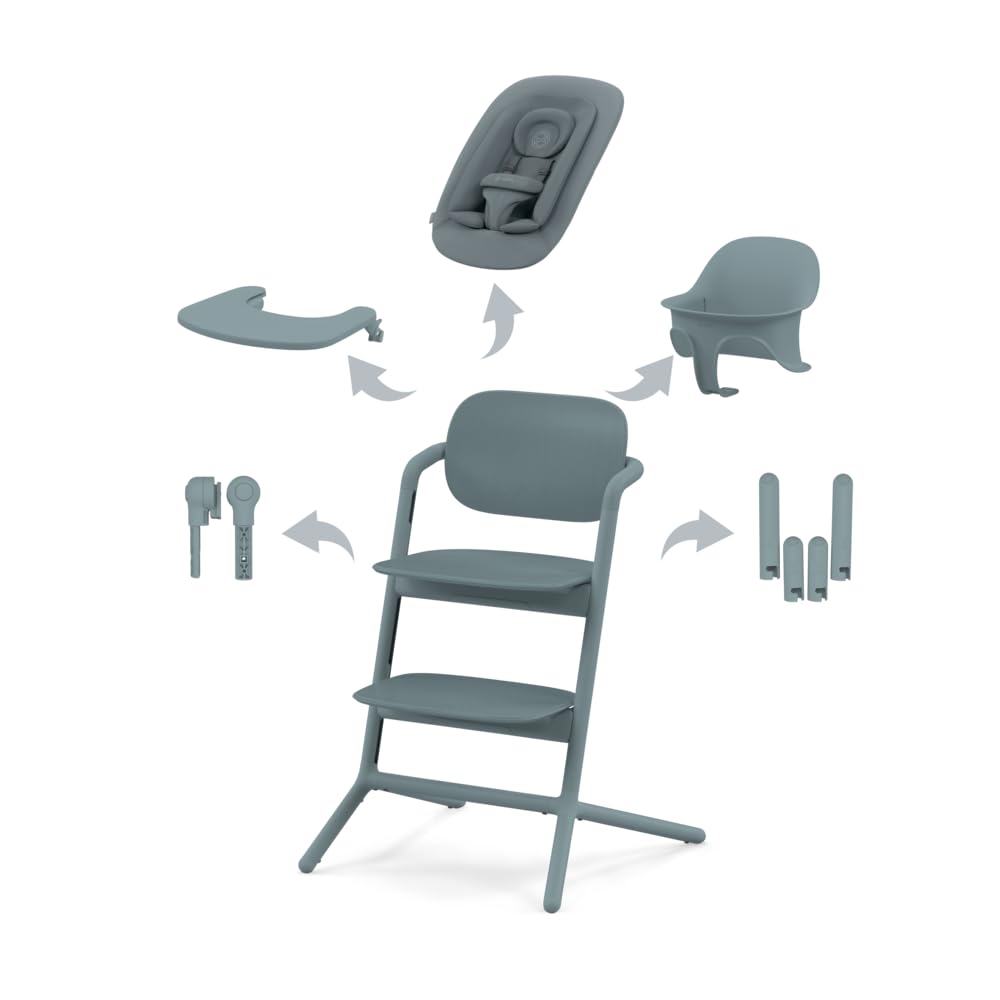
Starting solid foods is one of the more anxiety-inducing baby milestones, partly because the guidance has changed significantly over the decades and partly because there's no shortage of conflicting opinions. This guide gives you the current European health consensus, clearly.
When to Start: The EU Guidance
The European Society for Paediatric Gastroenterology, Hepatology and Nutrition (ESPGHAN) recommends introducing complementary foods at around 6 months, and not before 4 months completed. The WHO recommendation is exclusively breastfeeding until 6 months, with complementary foods introduced at that point.
The "around 6 months" framing is intentional, it acknowledges that readiness varies between babies. Some babies show clear readiness signs at 5.5 months; others not until 6.5 months. Watch the signs, not the calendar.
Why not before 4 months?
Before 16 weeks, the digestive system is not mature enough to handle solid foods safely. Starting before 4 months increases the risk of choking, digestive issues, and potentially increases allergy risk. The European medical consensus on this is clear, there is no benefit to starting before 4 months and potential harm.
The 3 Readiness Signs
All three signs should be present before starting. Age alone is not sufficient:
- Can sit with minimal support and hold their head steady independently. They don't need to sit fully unsupported, a Bumbo or high chair with good back support is fine, but the core control must be there. A baby who slumps forward cannot swallow safely.
- Lost the tongue-thrust reflex. Newborns automatically push foreign objects out of their mouth with their tongue, a protective reflex. When this fades, baby can move food to the back of the mouth to swallow. Test: place a tiny amount of soft food on their lips. If it comes straight back out every time, the reflex is still present.
- Shows interest in food. Watching others eat with intense interest, reaching toward food or cutlery, opening their mouth when food is near, these are signs of developmental readiness.
What to Feed First
European health guidance does not specify an order for introducing foods. The priority is nutritional balance and allergen exposure. Good first foods:
- Vegetables: Sweet potato, carrot, parsnip, courgette, broccoli, steamed soft and pureed or offered as soft strips for BLW
- Fruits: Banana, pear, avocado, naturally soft, no cooking needed
- Iron-rich foods: Pureed meat (chicken, beef), lentils, fortified baby cereals, important because breast milk iron becomes insufficient around 6 months
- Common allergens early: Current EU guidance recommends introducing common allergens (peanut, egg, fish, wheat) early rather than delaying, this reduces allergy risk
Foods to Avoid Before 12 Months
- Honey, risk of infant botulism (serious)
- Added salt, kidneys cannot process it
- Added sugar. no nutritional benefit, sets taste preferences early
- Whole nuts, choking risk (ground nut butter is fine from 6 months)
- Cow's milk as a main drink, fine in cooking and on cereal, but not as the primary drink before 12 months
- Shark, swordfish, marlin, high mercury content
- Raw or runny eggs (UK: British Lion mark eggs are fine runny; rest of EU: cook fully)
BLW vs Purees: Which Approach?
Both are valid. The evidence shows babies do equally well with either approach in terms of nutrition and development. The choice comes down to parental preference and practicality:
- Parent controls portion and intake
- Less mess
- Easier to manage allergen introduction
- Good for childminders and nurseries
- More preparation time
- Baby is more passive in eating
- Baby self-regulates, may reduce obesity risk
- Develops motor skills
- Family table integration from the start
- Less preparation (family food adapted)
- More mess, significantly more
- Harder to track intake precisely
- Needs appropriate high chair: our BLW high chair guide
Affiliate disclosure: links earn us a small commission at no extra cost to you. Learn more