Baby Proofing Guide 2026: Room-by-Room Checklist for European Homes
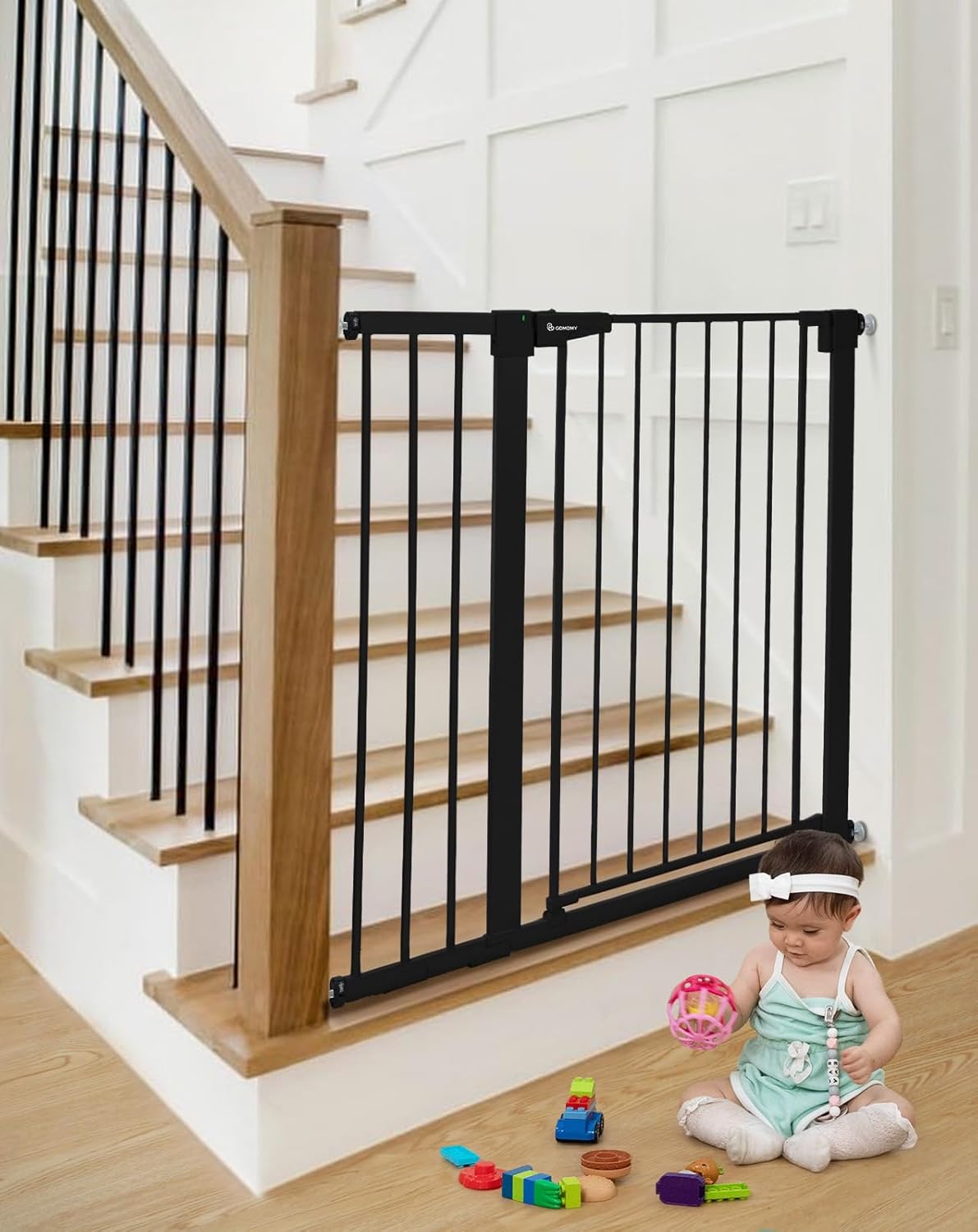
Baby proofing is one of those tasks that feels enormous before you start and manageable once you approach it systematically. The key insight: you don't need to do everything at once. Prioritise based on baby's current mobility stage, what matters at 6 months is different from what matters at 10 months.
When to Baby Proof Each Stage
| Stage | Age | Priority hazards |
|---|---|---|
| Pre-rolling | 0–4 months | Safe sleep setup, no loose cords near crib, hot liquid safety |
| Rolling and sitting | 4–7 months | Fall hazards from elevated surfaces, socket covers |
| Crawling | 6–10 months | Stair gates, cabinet locks, small objects, floor-level hazards |
| Pulling to stand | 8–12 months | Furniture anchor straps, table edge guards, drawer locks |
| Walking | 10–18 months | All of above plus door stops, corner guards, oven guard |
Living Room
- Anchor all furniture to walls, the most commonly missed hazard. Bookcases, wardrobes, and freestanding shelving units can tip over when a baby pulls on them. IKEA provides STÖDJA anti-tip kits for most of their furniture. Use them on anything above 50cm tall.
- TV and entertainment unit: Mount the TV to the wall if possible. A pulled-over TV is a serious injury risk. Secure cables with cord organisers out of reach.
- Fireplace and hearth edges: Install a fireguard rail and apply corner guards to sharp stone or tile hearth edges, at exactly the height of a pulling-to-stand baby's head.
- Coffee table: Either remove it during the 9–18 month window or apply edge guards to all corners. Glass coffee tables should be removed entirely.
- Socket covers: British-style sockets already have internal shutters and don't need covers. European Schuko sockets should have covers, but choose socket covers that require adult-level dexterity to remove (some are too easy for toddlers).
Kitchen
- Cabinet locks on all low cabinets, especially those containing cleaning products, sharp utensils, medicines, and heavy items that could fall.
- Oven guard: A fold-out oven door guard prevents burns from a hot oven door. Available from baby safety retailers and worth installing before baby is mobile.
- Hob guard: A hob protector prevents baby from touching hot rings and from pulling pans off. Cook with pots on rear rings, handles turned inward.
- Dishwasher: Lock and keep locked, knives in the dishwasher basket are at exactly baby-face height when the door is open.
- Fridge magnets: Small fridge magnets are choking hazards. Move them to higher than baby's reach or remove them.
Bathroom
- Toilet lock: A baby can fall head-first into a toilet and drown. A simple toilet seat lock prevents this.
- Cabinet locks on all medicine cabinets, a non-negotiable.
- Non-slip bath mat inside and outside the tub.
- Hot water temperature: Set your hot water heater to 50°C maximum (60°C is the scalding risk threshold). Test your tap's maximum temperature, if a fully hot tap exceeds 50°C, fit a thermostatic mixer valve.
- Never leave water unattended: Empty the baby bath immediately after use. A baby can drown in 5cm of water in under 2 minutes.
Bedroom and Nursery
- Window locks: All windows accessible to a crawling or walking baby need window restrictors that limit opening to a maximum of 10cm. This is a legal requirement for windows above ground floor in many European countries.
- Wardrobe stability: Anchor freestanding wardrobes, a child can open a wardrobe door and pull the entire unit forward.
- Blind cords: Old-style looped blind cords are a strangulation hazard. Replace with safety devices or cord-free blinds. Required by EU law for new blinds since 2014, but older homes may still have loop cords.
- Nappy bin: Keep it sealed and out of reach, nappies are choking hazards and the bags are suffocation risks.
Stairs and Hallways
- Screw-fixed gate at top of stairs, non-negotiable, installed before baby can crawl. See our full guide: Best Baby Gates 2026.
- Pressure-fit gate at bottom, acceptable at bottom of stairs where a fall is less serious. Never pressure-fit at top.
- Hallway clutter: Clear all tripping hazards from hallways, shoes, bags, coats at baby height. A crawling baby moves faster than you expect through a cluttered hallway.
Complete Baby Proofing Checklist
Print or screenshot this checklist
☐ Stair gates installed (screw-fixed top, pressure-fit bottom)
☐ All heavy furniture anchored to walls
☐ Cabinet locks on kitchen and bathroom cabinets
☐ Socket covers on Schuko sockets
☐ Window restrictors on all accessible windows
☐ Blind cords secured or replaced with cord-free
☐ Hot water thermostat set to 50°C or below
☐ Toilet lock installed
☐ TV wall-mounted or secured
☐ Coffee table corners guarded or table removed
☐ Oven guard fitted
☐ Fireplace/hearth guarded
☐ All medicines in locked cabinet
☐ Small objects (coins, batteries) at height above 1m
☐ Plants, check none are toxic; move to unreachable height
Affiliate disclosure: links earn us a small commission at no extra cost to you. Learn more