Free Tool ยท Sleep

Baby Sleep Calculator

Move the slider to your baby's age, get their wake windows, nap schedule, and a sample day built from real age-appropriate schedules.

๐Ÿ‘ฅ Reviewed by the SBC Parent Panel, 6 European parents
How old is your baby?
Slide to your baby's current age
Age 8 weeks
Newborn3 months6 months9 months12 months
60โ€“90
Wake window (min)
4
Naps / day
14โ€“16h
Total sleep
Sample day schedule
Starting from a 7:00 am wake-up, adjust all times proportionally if your baby wakes earlier or later

โšก Always follow your baby's sleepy cues first. This schedule is a framework, not a rule, if your baby yawns 10 minutes before the next nap window, put them down now.

Understanding wake windows

A wake window is the maximum time a baby can comfortably stay awake before needing sleep again. Keeping baby awake beyond their window causes cortisol to rise, which makes them harder to settle, not easier. This is the single most common reason parents struggle with naps.

The rule: start your settling routine at the first sleepy cue, not when baby is already crying. By the time a baby is crying from tiredness, settling will take significantly longer.

Sleepy cues to watch for: yawning, eye rubbing, staring blankly, losing interest in toys, sudden fussiness. The first yawn is your signal. not the third.

SmartBabyChoices recommends

Products that make a real difference to baby sleep
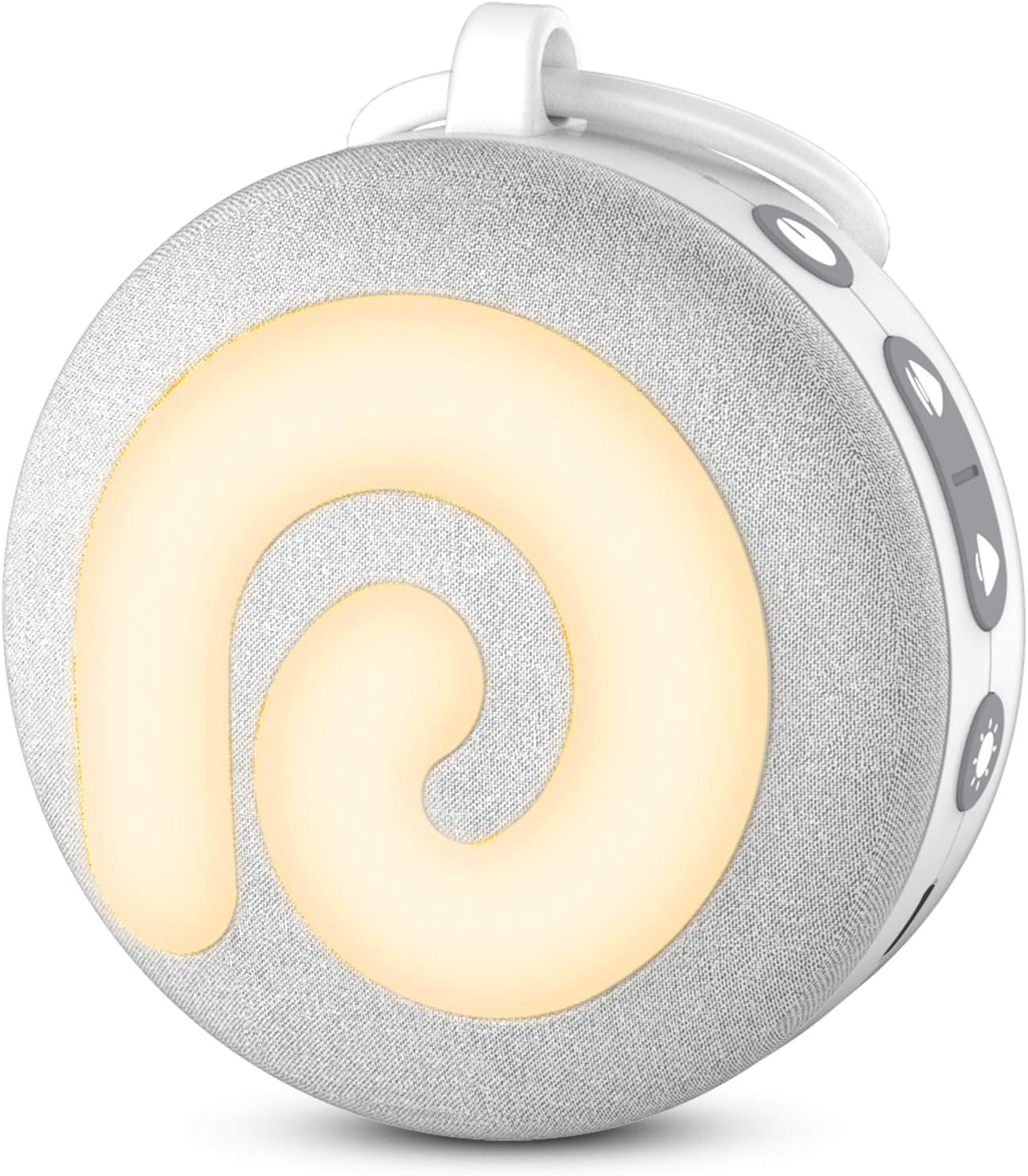
LectroFan Evo white noise machine
LectroFan Evo White Noise Machine
22 sounds, precise volume, compact. Masks sudden sounds that cut wake windows short, especially important in city apartments.
Tommee Tippee portable blackout blind travel
Tommee Tippee Portable Blackout Blind
Sticks to any window with suction cups. no fitting required. Perfect for rooms without built-in blackouts, travel, and holidays. Reusable.
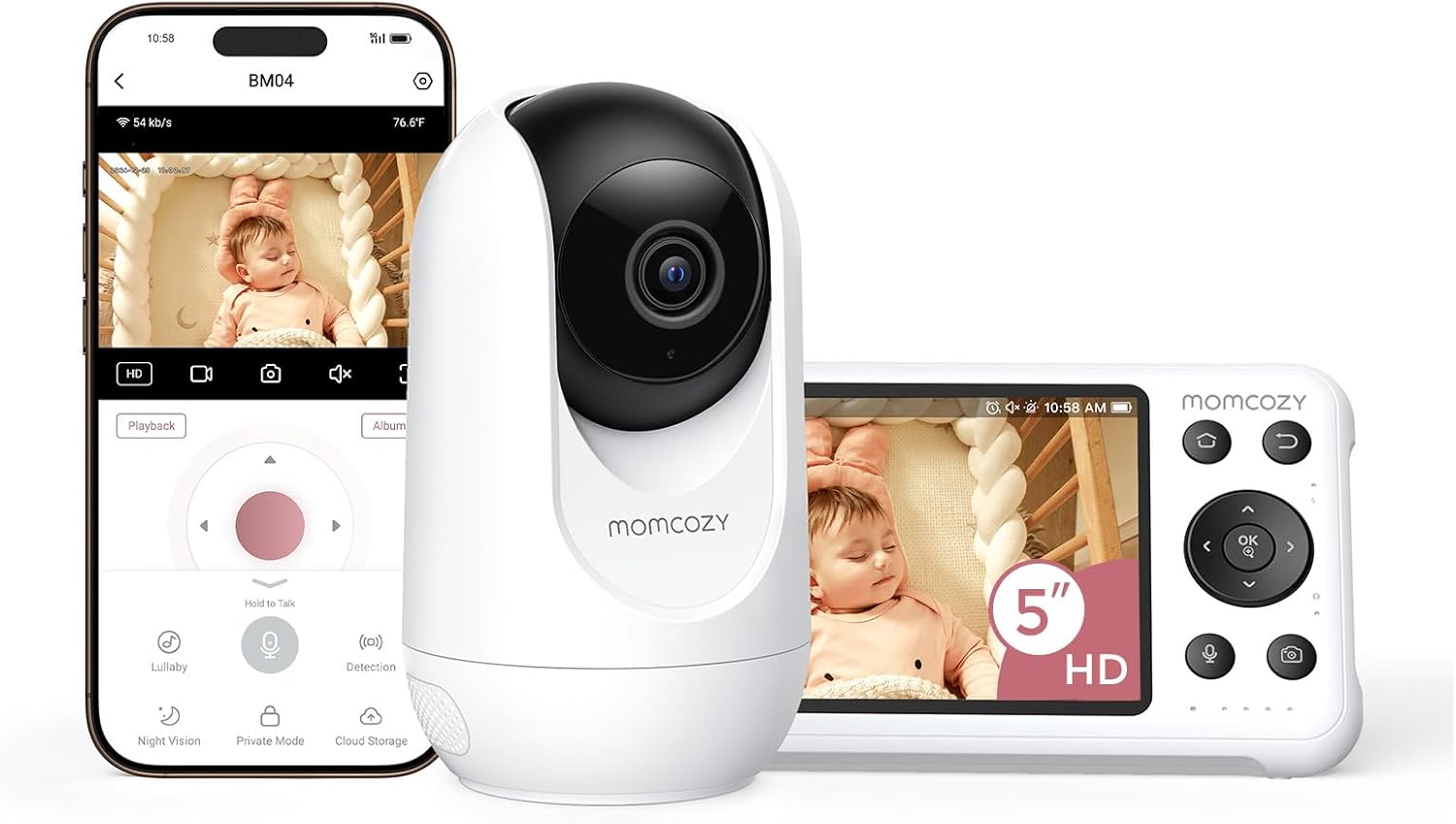
Momcozy BM04 baby monitor DECT
Momcozy BM04 Baby Monitor (DECT)
No WiFi, no subscription. Watch baby during naps without entering the room, preserving the wake window and avoiding unnecessary waking.
Affiliate links, commission at no extra cost. Learn more

Frequently asked questions

What if my baby doesn't follow the schedule?
The schedule is a starting framework, not a rule. The wake window is more important than the clock time, a baby who woke at 6:00 am and a baby who woke at 8:00 am should have their naps scheduled relative to their own wake time. Shift the whole schedule forward or backward based on your baby's actual wake time each day.
My baby's wake windows seem shorter than the calculator shows, is that OK?
Yes. Wake windows are ranges, not minimums. If your baby shows sleepy cues at 45 minutes and the calculator says 60โ€“90 minutes, trust the cues. Some babies run shorter windows, especially during growth spurts, illness, or in the early weeks of a new developmental stage.
Can I use this for a premature baby?
Yes, use their corrected age (chronological age minus weeks premature) rather than their birth age. A baby born 6 weeks early who is now 16 weeks old has a corrected age of 10 weeks, use the 10-week settings. Continue using corrected age until approximately 12 months corrected.
When should I drop from 3 naps to 2?
Typically between 6 and 9 months. Signs it's time: the third nap becomes consistently hard to achieve, bedtime gets pushed past 8:00 pm, or the third nap only happens very late in the afternoon. The transition takes 2โ€“4 weeks of inconsistency, that's completely normal.
What is a good bedtime for a baby?
For most babies 2โ€“12 months, bedtime falls between 6:30 pm and 8:00 pm. Earlier bedtimes (6:30โ€“7:00 pm) are especially helpful during nap transitions, growth spurts, or after illness when baby is overtired. Counter-intuitively, an earlier bedtime usually produces a later morning wake. not an earlier one.

Related sleep guides

โ†’ Nap Schedule by Age: Full Guide (0โ€“18 months) โ†’ How to Get a Baby to Sleep โ†’ Baby Sleep Regression Guide โ†’ Sleep Training Methods Compared โ†’ Sleep hub, all guides