Babywearing with Back Pain: Best Carriers and How to Use Them
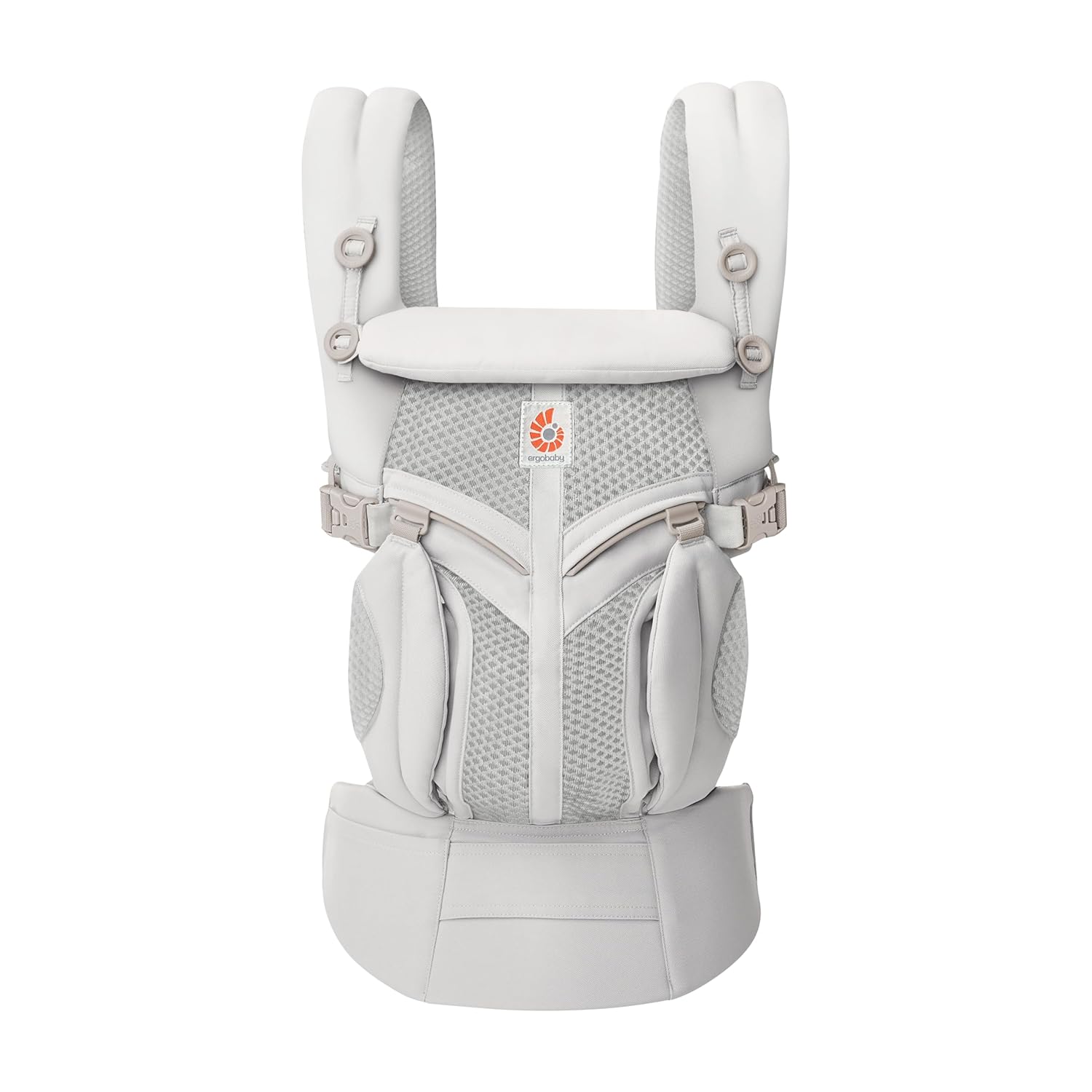
Back pain while babywearing is common, and often preventable with the right carrier and positioning. The fundamental issue is weight distribution: a carrier that puts weight on your shoulders will cause upper back fatigue; one that transfers weight to your hips significantly extends comfortable carrying time.
Why Baby Carriers Cause Back Pain
A 6-month-old weighs approximately 7–8kg. Carrying that weight consistently for 1–2 hours per day creates significant load on the muscles of the upper back, shoulders, and lower back. The human spine and hip structure can handle this load comfortably, if the weight is distributed correctly. The problem is most entry-level carriers don't distribute it correctly.
The two main pain causes:
- Shoulder-heavy carriers: Carriers without a waistbelt or with a thin waistbelt put most of the weight on the shoulder straps, loading the trapezius and upper back muscles. This causes the classic "burning between shoulder blades" pain many parents describe.
- Incorrect height: Baby worn too low pulls the wearer forward and compresses the lumbar spine. Baby should be high enough to kiss on the head, this keeps the centre of gravity close to your own.
The Waistbelt: The Most Important Feature for Back Pain
The principle behind a good carrier waistbelt is the same as a good hiking backpack: transfer weight from the shoulders to the hips. The hip bones and associated musculature can carry weight for significantly longer without fatigue than the shoulder muscles.
A good waistbelt for back pain should:
- Sit on the hip bones (iliac crest), not the waist above them
- Be padded and wide enough to distribute pressure (minimum 10cm wide)
- Be firm enough to prevent collapse when loaded
- Be sized correctly, the buckle should close with the pad centred on your back, not to one side
Best Carriers for Back Pain
"The Ergobaby waistbelt is the best-designed hip-transfer system in structured carriers. At 90 minutes of carrying a 8kg baby, the difference between the Ergobaby and a shoulder-heavy carrier is significant. For parents with existing back pain, this is not a preference, it's a functional requirement."
- Wide padded waistbelt, best hip transfer in category
- Lumbar support pad on back panel
- Adjustable seat width, proper M-position reduces wearer load too
- Multiple carry positions, back carry available for heavier babies
- Learning curve for correct waistbelt positioning
- Back carry requires practice
- Warmer in summer
Positioning Tips That Reduce Pain
- Baby high and close. High enough to kiss, close enough that no gap shows between your chest and baby's body. This keeps the centre of gravity closest to yours and minimises the moment arm pulling you forward.
- Waistbelt on hip bones, not waist. The belt should sit on the top of the hip bones. If it's on your waist above the pelvis, the weight bypasses the hip bones and stays on your back muscles.
- Tighten shoulder straps after the waistbelt. The common error: tightening shoulders first, then adding the waistbelt. Buckle and tighten the waist first, then adjust shoulder straps to take up remaining slack. The weight sequence matters.
- Back carry for heavier babies. From 6 months and good head control, a back carry positions baby's weight more centrally over your spine, often more comfortable for lower back pain than front carries as baby gets heavier.
- Limit session length. Start with 20–30 minute sessions if you have existing back pain and extend gradually. Pain during a session means stop, it doesn't "warm up" like exercise. Pain during carrying indicates incorrect positioning or a carrier that's wrong for your body.