Baby Reflux Guide: Signs, Causes and What Actually Helps
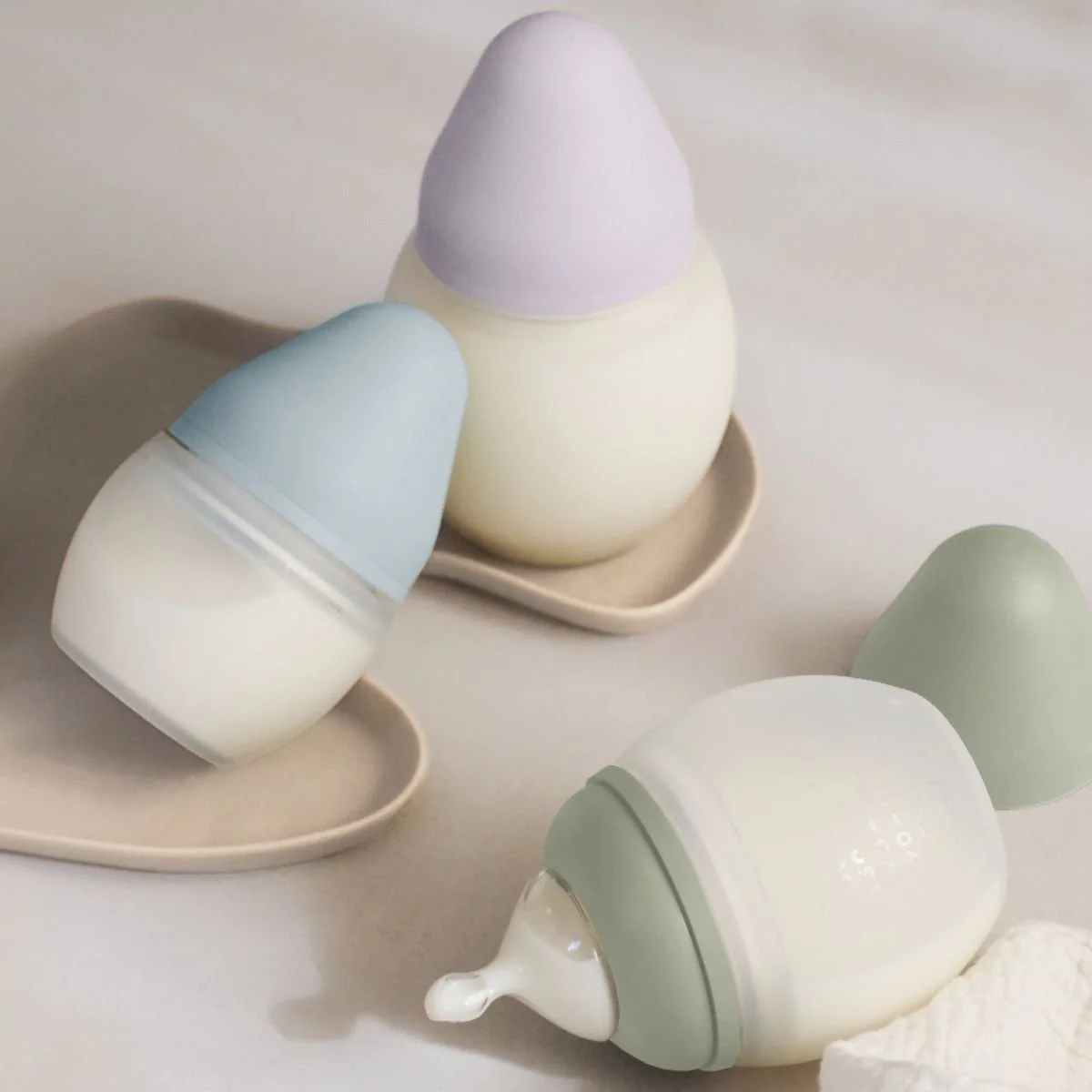
Up to 40% of babies bring up milk regularly in the first year. For most, this is normal and benign, called gastro-oesophageal reflux (GOR). A smaller number have gastro-oesophageal reflux disease (GORD), where the reflux causes genuine pain, feeding problems, or respiratory complications. Understanding which you're dealing with is the first step.
GOR vs GORD: The Critical Distinction
| GOR (Reflux) | GORD (Reflux Disease) | |
|---|---|---|
| What it is | Milk coming back up, physiologically normal | Reflux causing complication or distress |
| Common term | "Happy spitter", thriving despite spitting up | Distressed feeding, poor weight gain |
| Weight gain | Normal, adequate weight gain despite spitting | Poor weight gain, milk lost before absorbed |
| Feeding behaviour | Feeds well, content between spits | Refuses feeds, arches back, distressed during feeding |
| Treatment needed | Positioning, reassurance, wait it out | Medical assessment, possible medication |
| Resolves | By 12–18 months in most cases | Requires management; may persist longer |
Signs and Symptoms
Signs of simple GOR (likely to self-resolve):
- Frequent spitting up or vomiting after feeds, even large amounts
- Baby is content and comfortable between feeds
- Good weight gain despite spitting
- No apparent pain during feeding
Signs of GORD that warrant medical assessment:
- Poor weight gain or weight loss
- Significant distress during or after feeds, arching back, crying, refusing bottle/breast
- Blood in vomit (red or coffee-ground appearance)
- Recurrent respiratory symptoms: chronic cough, wheeze, recurrent chest infections
- Apnoea (brief pauses in breathing)
- Feeding refusal that causes feeding difficulties or insufficient intake
Why Babies Get Reflux
Baby reflux is primarily caused by an immature lower oesophageal sphincter, the valve between the oesophagus and the stomach. In adults and older children, this valve opens to allow food in and closes to keep stomach contents down. In babies, the sphincter is not fully developed and may allow stomach contents back up relatively easily.
Contributing factors include: predominantly liquid diet (milk is more prone to reflux than solid food), lying flat for much of the day, and the relative size of the stomach in proportion to feeding volume. Most cases resolve naturally as baby starts sitting upright, begins solid foods, and the sphincter matures, typically by 12–18 months.
What Actually Helps
For simple GOR, the following positional and feeding adjustments provide the most relief:
- Upright after feeds: Keep baby upright for 20–30 minutes after feeds. This allows gravity to help keep milk down while the sphincter does its job.
- Smaller, more frequent feeds: A smaller volume is less likely to overwhelm the sphincter. If bottle-feeding, try 10–15% less milk more frequently.
- Winding thoroughly: Trapped air creates pressure that pushes milk back up. Wind halfway through a feed, not just at the end.
- Slightly inclined sleep position: Raising the head end of the crib mattress by a few centimetres can help. Never use wedges or pillows in the crib, a firmly folded towel under the mattress (not under the sheet) raises the head end safely. Note: this is not recommended by all guidelines; check with your paediatrician.
- Loose clothing: Tight waistbands increase abdominal pressure and worsen reflux.
Feeding Adjustments by Feeding Type
For breastfeeding: The evidence on maternal diet and reflux is limited. Some mothers find dairy elimination reduces symptoms, but this is not universally supported and should be discussed with a lactation consultant or GP before making significant dietary changes. Oversupply of breast milk can contribute to reflux; if milk let-down is fast and forceful, try feeding in a more upright position or block feeding.
For formula feeding: Anti-reflux formulas (AR formulas) contain thickening agents that make milk harder to bring up. They can reduce visible spitting but don't address the underlying cause. They should only be used under medical guidance, they change the nutrient composition slightly and are not suitable for all babies.
Medication: When and What
Medication for reflux is only appropriate for GORD. not for simple GOR. European guidelines (ESPGHAN 2018) recommend against routine use of acid-suppressing medications (PPIs like omeprazole) in uncomplicated infant reflux, as the evidence for benefit is limited and there are potential adverse effects.
When medication is appropriate (GORD with clear distress and poor weight gain), options include:
- Thickeners (e.g. Carobel): First-line for formula-fed babies with visible reflux
- Gaviscon Infant: Forms a gel in the stomach to reduce regurgitation. Available without prescription in UK; prescription-only in most EU markets.
- Ranitidine/omeprazole: For genuine GORD with oesophageal inflammation, prescription only, only under medical supervision.
Never give reflux medication without a diagnosis and medical guidance. If you suspect GORD, see your GP or paediatrician, don't self-medicate.
Affiliate disclosure: links earn us a small commission at no extra cost to you. Learn more