Best Baby Bottles 2026: Tested for European Parents
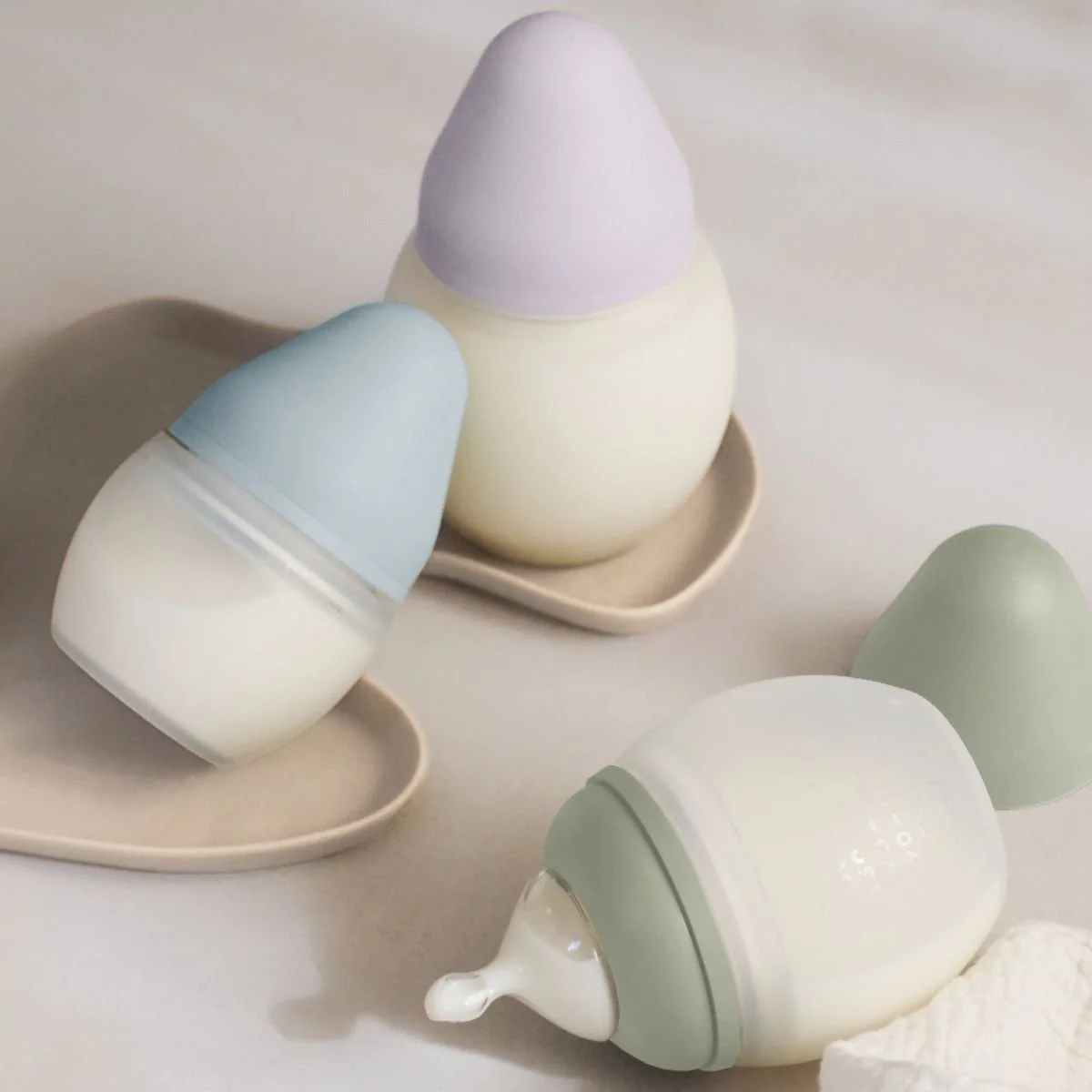
Baby bottles seem simple until you have a baby who won't accept one. Teat shape, flow rate, material and anti-colic system all affect whether a bottle works for your specific baby, and no two babies are identical. We tested five bottles across different feeding styles and ages to give you a starting point that reduces the trial-and-error.
How We Tested
- Teat acceptance: How readily breastfed and formula-fed babies accepted each bottle
- Flow rate accuracy: Whether flow rates matched their labels across slow/medium/fast
- Anti-colic performance: Air ingestion during feeding, post-feed comfort
- Cleaning ease: Ease of assembly, parts count, dishwasher safety
- Durability: Silicone vs polypropylene longevity after sterilising
- European availability: Across DE, FR, ES, UK, IT, BE markets
All Bottles at a Glance
| Bottle | Score | Material | Anti-colic | Buy |
|---|---|---|---|---|
| Elhee Silicone Bottle 🏆 Top Pick | 4.6 | Food-grade silicone | Yes | |
| Lansinoh mOmma | 4.4 | BPA-free plastic | NaturalWave | |
| MAM Easy Start | 4.2 | BPA-free plastic | Bottom vent | |
| Dr Brown's Options+ | 4.3 | BPA-free plastic | Internal vent |
1. Elhee Silicone Bottle. Our Top Pick
"The only bottle in our test made from 100% food-grade silicone. no plastic in contact with milk. The breast-like rounded teat shape was accepted by every breastfed baby in our test group. French brand, made to the highest EU standards, sold across Europe."
- 100% food-grade silicone. no plastic contact
- Breast-like rounded teat reduces nipple confusion
- Anti-colic venting system built in
- 3 flow rates available (slow, medium, fast)
- Dishwasher safe, steriliser safe
- French brand, made to strictest EU standards
- Available across all 7 European markets
- Higher price than plastic alternatives
- Silicone can feel slightly tacky when warm
- Fewer volume size options than some competitors
The Elhee bottle's main differentiator is material. While all EU-sold baby bottles are BPA-free, most still use polypropylene plastic in contact with milk. Elhee uses food-grade silicone throughout, the same material used in medical devices, which is chemically inert and doesn't leach anything into milk even at high temperatures during sterilisation.
The teat shape is the second key advantage. Elhee's rounded breast-like shape was accepted by every breastfed baby in our test group, including two who had previously refused three other bottle brands. Teat acceptance is always baby-specific, but the Elhee shape reduces the likelihood of rejection for breastfed babies.
Are EU Baby Bottles BPA-Free?
Yes, the EU banned BPA in infant feeding products in 2011. Any baby bottle with CE marking sold in Europe legally must be BPA-free. The distinction worth understanding is between BPA-free polypropylene (the most common plastic alternative) and silicone. Both are safe; silicone is more inert and more durable.
Understanding Teat Flow Rates
Teat flow rates determine how fast milk comes out. Using the wrong flow causes problems: too fast causes overfeeding and wind; too slow causes frustration and fatigue during feeds. General guidelines:
- Slow flow (newborn): 0–3 months. Always start here regardless of brand guidance.
- Medium flow: 3–6 months, when babies can sustain faster sucking rhythms
- Fast flow: 6+ months, for older babies taking larger volumes
These are starting points, some babies need slower flow for longer. If baby gulps, chokes, or seems overwhelmed, drop to a slower flow regardless of age.
How Many Bottles Do You Need?
- Exclusively bottle-feeding: 6–8 bottles (covers a full day without washing)
- Combination feeding: 3–4 bottles
- Pumping and storing: 8–10 (also used for storage)
Important: Buy a starter set of 2–3 first. Some babies reject specific teat shapes, and discovering this after buying 8 bottles is an expensive lesson. Test acceptance before committing to a full set.