⚡ Why It Happens
The Moro reflexPosition change triggers a startle response, even in deep sleep
Temperature dropCool mattress after warm arms is a powerful wake trigger
Loss of sensory inputHeartbeat, breathing, pressure, warmth, all disappear at once
When it gets easierMoro reflex fades at 3–4 months, crib transfers become much easier
The scenario is universal: baby falls deeply asleep in your arms, you carefully lower them into the crib, and the moment their back touches the mattress their eyes fly open. This is not a failure of parenting, it's a predictable consequence of newborn neurology. Understanding the mechanism makes the solutions make sense.
Why Babies Wake on Transfer
Several simultaneous factors converge when you transfer a sleeping baby to a crib:
- The Moro (startle) reflex: A primitive reflex present from birth that causes babies to fling their arms outward in response to a sensation of falling or a sudden position change. When baby is lowered onto a flat surface, this reflex fires, particularly if the transfer includes any back-arching or stretching. The Moro reflex fades between 3 and 4 months of age, after this, crib transfers become noticeably easier.
- Temperature change: A baby who has been lying on your warm chest is suddenly placed on a cool cotton sheet. The temperature drop is a potent wake trigger. Even small differences (2–3°C) are enough to rouse a baby from light sleep.
- Loss of rhythmic sensory input: Your heartbeat, breathing rhythm, and the subtle movement of holding are constant and soothing. The crib is static and silent. The sudden absence of all this input signals "something changed" to the baby's nervous system.
- Sleep cycle timing: If you attempt the transfer at the wrong point in the sleep cycle, when baby is in light sleep rather than deep sleep, any disturbance will wake them. Deep sleep (when the transfer is safest) is typically reached 15–20 minutes after baby first falls asleep.
7 Transfer Techniques That Work
1
Warm the crib mattress first
Place a warm water bottle or heated wheat bag on the mattress for 5–10 minutes before transferring. Remove it completely before placing baby, the surface should be warm but not hot. The temperature match reduces the wake response significantly.
2
Wait for deep sleep
Don't transfer too early. Wait 15–20 minutes after baby appears asleep. Signs of deep sleep: limp arms and legs, no eyelid movement, slow and even breathing, and the hand unclenches. A baby in light sleep will clench their fist when you move them; a baby in deep sleep won't.
3
Transfer without straightening
The position change from arms to flat is part of what triggers the Moro reflex. Keep baby in the same slightly curled position during the transfer. Lower them bottom-first rather than back-first, then gently lower the head. Avoid any position change that stretches the spine.
4
Hands on for 60 seconds after placing
After placing baby, keep your hands on them for a full minute, one on the chest, one on the belly. The continued pressure reassures the nervous system that warmth and contact are still present. Remove hands very slowly, leaving the last hand longest.
5
Swaddle before the transfer
A firm swaddle contains the Moro reflex by preventing the arm-flinging response that would otherwise wake baby. Swaddle before feeding or settling if you plan to transfer, trying to swaddle an already sleeping baby usually wakes them.
6
White noise already running
White noise running continuously in the crib environment means the sound environment doesn't change when you transfer. Turn it on before the settling period, not just at the moment of transfer.
7
The slow lean, don't let go until fully down
Don't "place and retreat" quickly. Lower yourself slowly, keeping full body contact until baby's weight is completely on the mattress. Your face close to theirs, your chest against theirs as long as possible. Retreat centimetre by centimetre. It takes 2 minutes, it's worth it.
Longer-Term: Teaching Crib Sleep
The 7 techniques above manage the transfer. The longer-term goal is building a crib association, baby recognising the crib as a place where sleep happens, not a cold foreign surface where contact disappears.
How to build this association:
- Practice drowsy-but-awake once per day: At one nap per day (not every sleep), put baby down before they're fully asleep and try to settle them in the crib. This doesn't need to work, even 5 minutes of practice before picking up and settling in arms is useful. The crib exposure builds familiarity.
- Use the crib for some awake time: During awake periods, place baby in the crib for a few minutes with a mobile or high-contrast card. The crib becomes familiar, not exclusively associated with abandoned contact.
- Consistency in location: Always the same crib. Babies learn by association, the same environment consistently signals "this is where I sleep."
The Bedside Crib Option
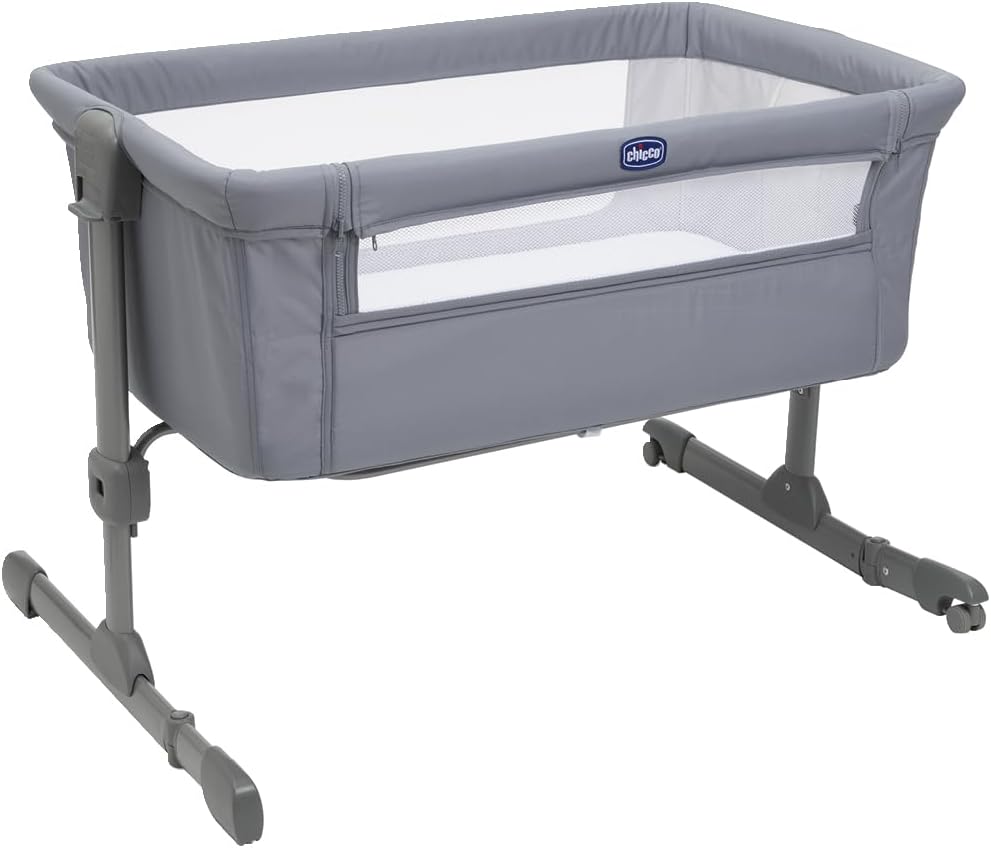
Many families find the transfer problem solved by a bedside co-sleeper crib, the baby is on their own surface, but that surface is adjacent to the parent bed. The transfer distance is 20cm rather than standing, leaning over a crib rail. The Chicco Next2Me is the most popular option in Europe for exactly this reason.
See our full guide: Best Co-Sleeper Cribs 2026.
🛒 Products mentioned in this article
Chicco Next2Me, bedside crib
KeaBabies swaddle, controls startle reflex
Grobag sleep sack 1.0 TOG
Affiliate disclosure: links earn us a small commission at no extra cost to you. Learn more
SmartBabyChoices recommends
Products that help with crib sleep
🛏️
Chicco Next2Me Magic
The bedside solution, baby on their own safe surface, 20cm from you. Transfer distance vs crib rail distance is transformative.
🧸
KeaBabies Soothe Zippy Swaddle
A firm swaddle contains the Moro reflex, the primary trigger for the startle-and-wake on crib transfer.
🔊
LectroFan White Noise Machine
Running continuously, so the sound environment doesn't change when you transfer baby.
Affiliate links, we earn a small commission at no extra cost to you.
Learn more
FAQ
Is it OK to let baby sleep in a swing or bouncer?
Not for unsupervised sleep. The 2-hour limit applies to any semi-reclined position. If baby falls asleep in a swing or bouncer, transfer them to a flat sleep surface for extended sleep. Supervised naps in a bouncer are a different situation, some families use a bouncer for daytime supervised naps, particularly in the fourth trimester. Never overnight, never unsupervised.
When does the Moro reflex go away?
The Moro reflex typically fades between 3 and 4 months, as the nervous system matures. After this point, crib transfers become noticeably easier for most babies. If the reflex still seems strong after 4–5 months, mention it at a routine check, this is uncommon but worth noting.
My baby only sleeps in contact naps, is this OK?
In the first 3 months, yes, completely. Contact naps are developmentally appropriate, support milk supply in breastfeeding mothers (skin-to-skin promotes prolactin), and meet the baby's legitimate need for proximity. Contact naps don't "create habits" in the first 12 weeks in any way that is hard to change. Around 3–4 months, you can begin gently introducing crib naps if you choose, but there's no developmental urgency before this.
Related on SmartBabyChoices