Bassinet vs Crib: Which Does Your Baby Need First?
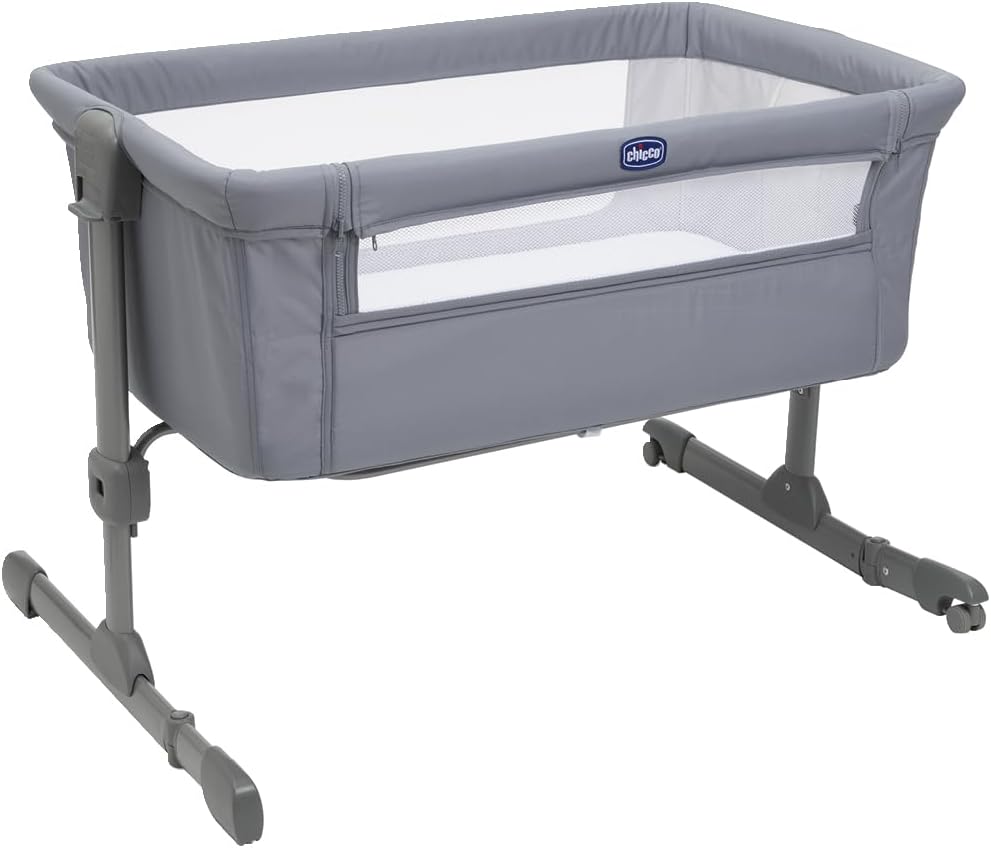
The bassinet vs crib question comes up for almost every new parent, and the answer is more nuanced than most buying guides suggest. The right choice depends on your living situation, how long you plan to room-share, and your baby's size. Here's the honest breakdown.
What's the Difference?
| Bassinet | Bedside Crib (co-sleeper) | Standard Crib | |
|---|---|---|---|
| Age range | 0–4 months typically | 0–6 months (9kg limit) | 0–3 years |
| Size | Small, fits easily in bedroom | Small, attaches to bed | Larger, requires space |
| Night feeding | Easy, baby at reach | Easiest. no sitting up | Requires getting up |
| Room sharing | Ideal for small bedrooms | Ideal, attached to bed | Possible but more space |
| Cost | €50–200 | €150–300 | €100–400 |
| Value | Low, short lifespan | Medium, 6 months | High, 3 years |
When a Bassinet Makes Sense
A standalone bassinet makes most sense if your bedroom is small and you want baby close but your bed frame isn't compatible with a bedside crib attachment. Bassinets are also easier to move between rooms, useful if you want baby near you during daytime naps in different parts of the home.
The main limitation is lifespan. Most bassinets have a weight limit of 6–9kg, which babies often reach at 3–5 months. A bassinet used for 4 months and then replaced with a crib is an expensive choice compared to going straight to a crib or a bedside crib that lasts 6 months.
When to Go Straight to a Crib
Many families, particularly in larger European apartments or houses with space for a crib in the bedroom, skip the bassinet entirely. European health guidelines recommend room-sharing for 6 months, but they specify a separate safe sleep surface, not a bassinet specifically. A crib placed in your bedroom is a completely appropriate room-sharing setup from birth.
If you go straight to a crib, put a rolled towel against the crib's interior base to make the space feel smaller and more secure for a newborn, this has been shown to help newborns settle more easily in larger cribs.
The Bedside Crib: Best of Both Worlds
A bedside crib (co-sleeper) is our recommended choice for most families. It attaches to the side of your bed, gives baby a separate safe sleep surface, and allows you to reach baby for night feeding without fully sitting up. For breastfeeding parents especially, the difference in night feed disruption is significant.
The Chicco Next2Me is our top pick, 8 height adjustments work with most European bed frames, breathable mesh sides, and it folds for travel. See our full guide: Best Co-Sleeper Cribs 2026.
Transitioning from Bassinet to Crib
Most babies transition smoothly when the move happens gradually:
- Move the crib into your bedroom first, keep the familiar room environment
- Use the same sheets or sleep sack from the bassinet initially, familiar scent helps
- Start with naps in the crib before overnight sleep
- The transition typically takes 1–2 weeks, expect some disruption
Affiliate disclosure: links earn us a small commission at no extra cost to you. Learn more