Best Baby Carriers for Newborns 2026: From Birth, No Insert Needed
Newborns have specific carrier needs that older babies don't: their necks aren't yet strong enough to hold their head, they need full head support, their hip joints need the M-position, and they're often most comfortable in positions that mimic the womb. This guide covers the carriers that handle newborn needs best.
What to Look For in a Newborn Carrier
- Head and neck support: Newborns need full head support. Look for carriers with an integrated headrest or head support panel.
- No insert required: Many carriers require a separate newborn insert (sold separately). Carriers that are newborn-ready without an insert are simpler and safer.
- M-position hip support: The seat panel must be wide enough to support baby's thighs to the back of the knee. not just the bottom.
- Narrow seat option: For very small newborns (under 4kg), the seat panel needs to be adjustable to a narrow position.
- Front-inward carry: The only appropriate carry position for newborns. World-facing is not suitable until 4–6 months and good head control.
| Carrier | Score | From birth weight | Insert needed | Buy |
|---|---|---|---|---|
| Ergobaby Omni 360 🏆 | 4.7 | 3.2 kg | No | |
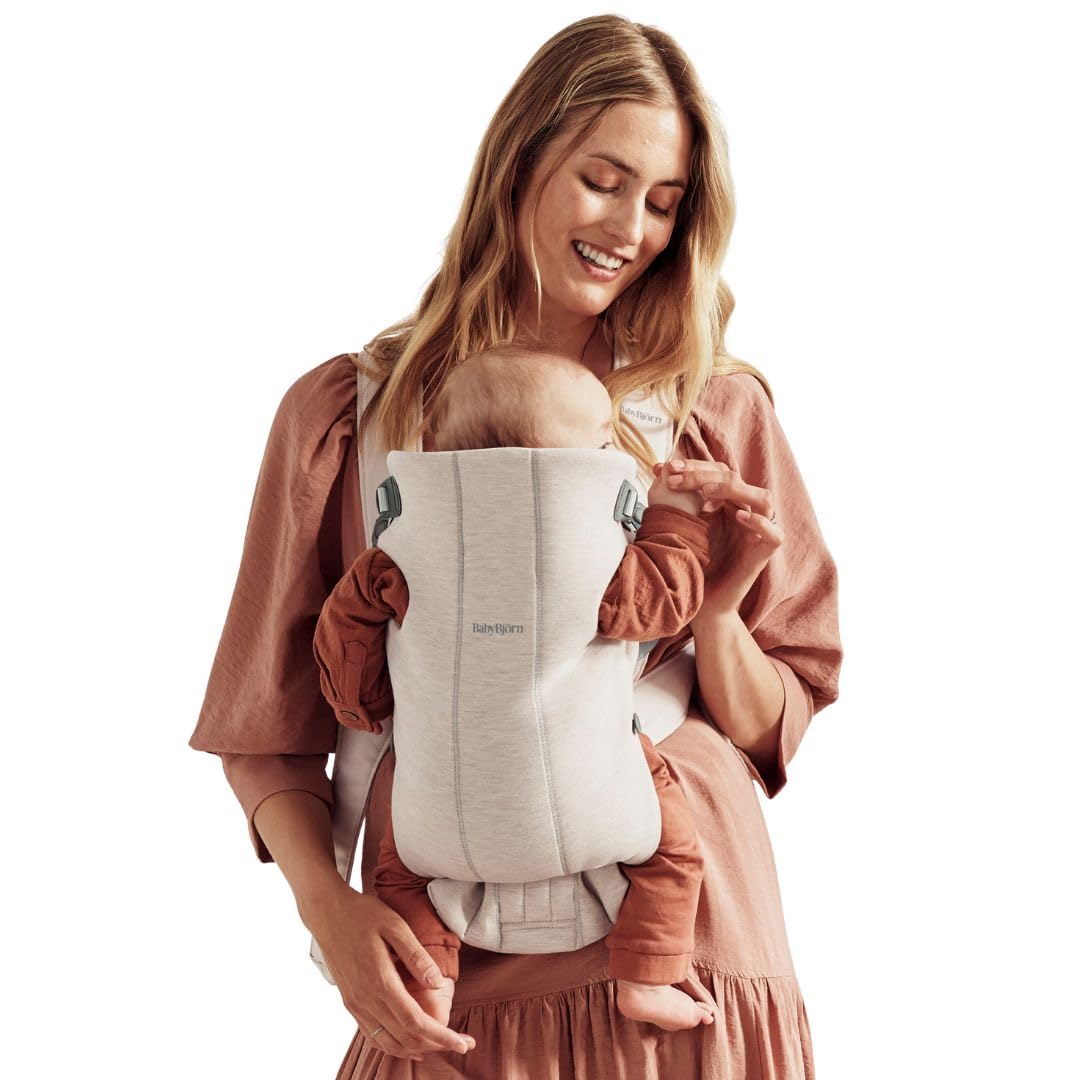 BabyBjörn Mini BabyBjörn Mini | 4.4 | 3.2 kg | No | |
| Stretchy wrap (Moby/Boba) | 4.5 | Any weight | N/A | |
| BabyBjörn One | 4.5 | 3.5 kg | No |
1. Ergobaby Omni 360 : Best Overall Newborn Carrier
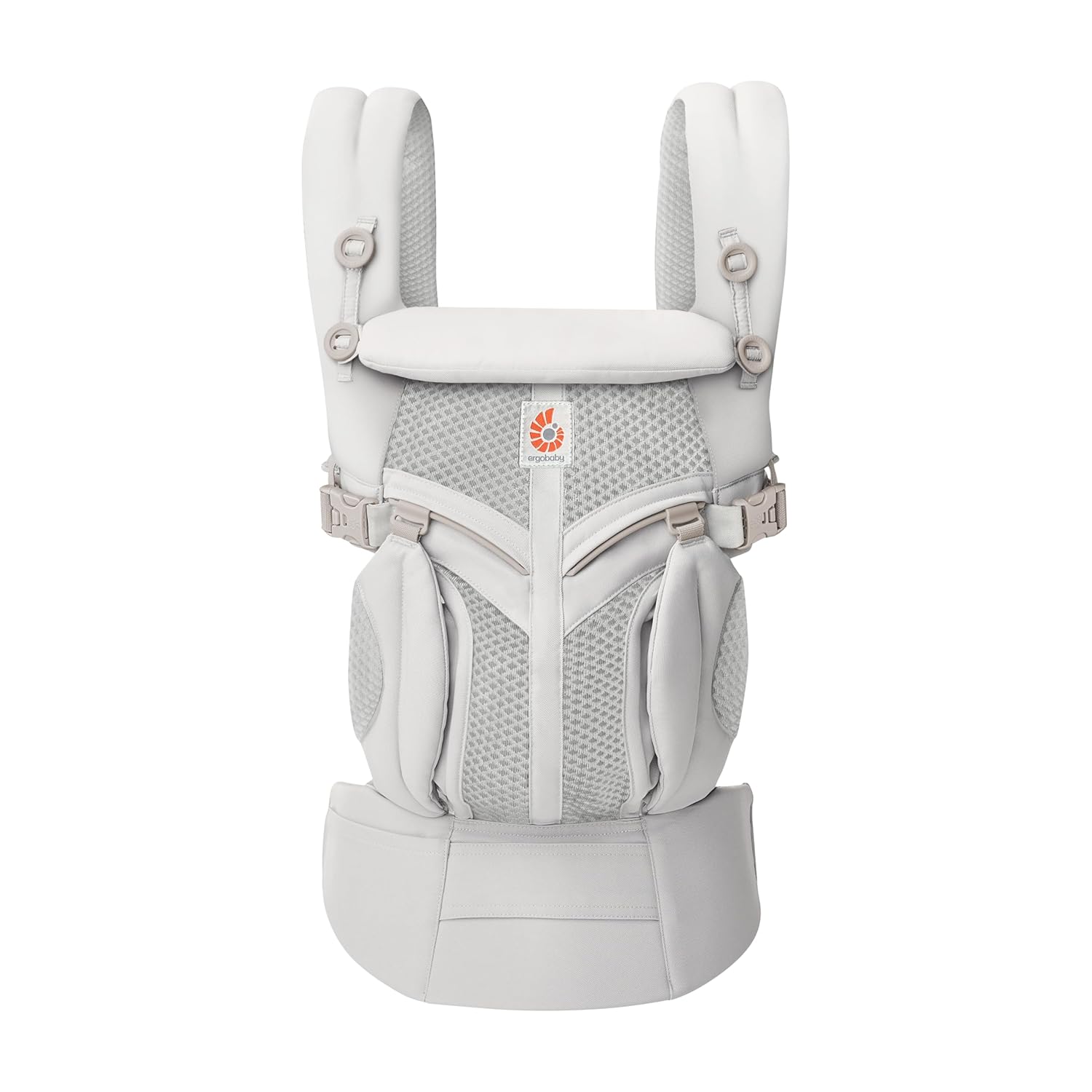
"The only structured carrier we tested that is genuinely newborn-ready without any insert, covers the full newborn-to-toddler range, and provides excellent back support for the wearer. Image coming soon, our reviewer photo shipment delayed."
- Newborn-ready from 3.2kg without insert
- Full head and neck support panel
- Adjustable narrow seat for small newborns
- Waistbelt distributes weight for longer carries
- 4 positions for long-term use
- Slightly complex to learn initially
- Premium price point
- Warmer in summer heat
2. Stretchy Wrap. Best Closeness for Newborns
A stretchy wrap (like Moby Wrap or Boba Wrap) offers the most snug, womb-like carry available. Many newborns are significantly calmer and sleep longer in a stretchy wrap than in a structured carrier. The physics makes sense: the fabric wraps around baby on all sides, creating pressure and warmth that closely mimics the uterine environment.
The trade-off is the learning curve. Tying a 5–6 metre length of jersey fabric correctly takes 3–5 practice sessions. But once learned, you pre-tie it before leaving home and pop baby in and out without retying. And at €30–€60, it's by far the most affordable option.
A stretchy wrap is also limited to approximately 6 months, the stretchy fabric loses support as baby gets heavier. It's best used as a newborn-specific product alongside a structured carrier for longer-term use.
TICKS Safety for Newborns
The TICKS rules are especially critical with newborns, who cannot reposition themselves if the airway is compromised:
- T, Tight: The carrier must hold baby firmly. A loose carrier allows baby to slump, restricting breathing.
- I, In view: You must be able to see baby's face at all times without moving fabric.
- C, Close enough to kiss: Baby should be high enough that you can lean forward and kiss their head.
- K, Keep chin off chest: Two fingers must fit between baby's chin and chest. A chin pressed to chest restricts the airway.
- S, Supported back: Baby's back must be supported in its natural curve. no leaning backward away from your body.
Full guide: Babywearing 101 : TICKS rules explained in detail.