Best Baby Formula in Europe 2026: What Parents Need to Know
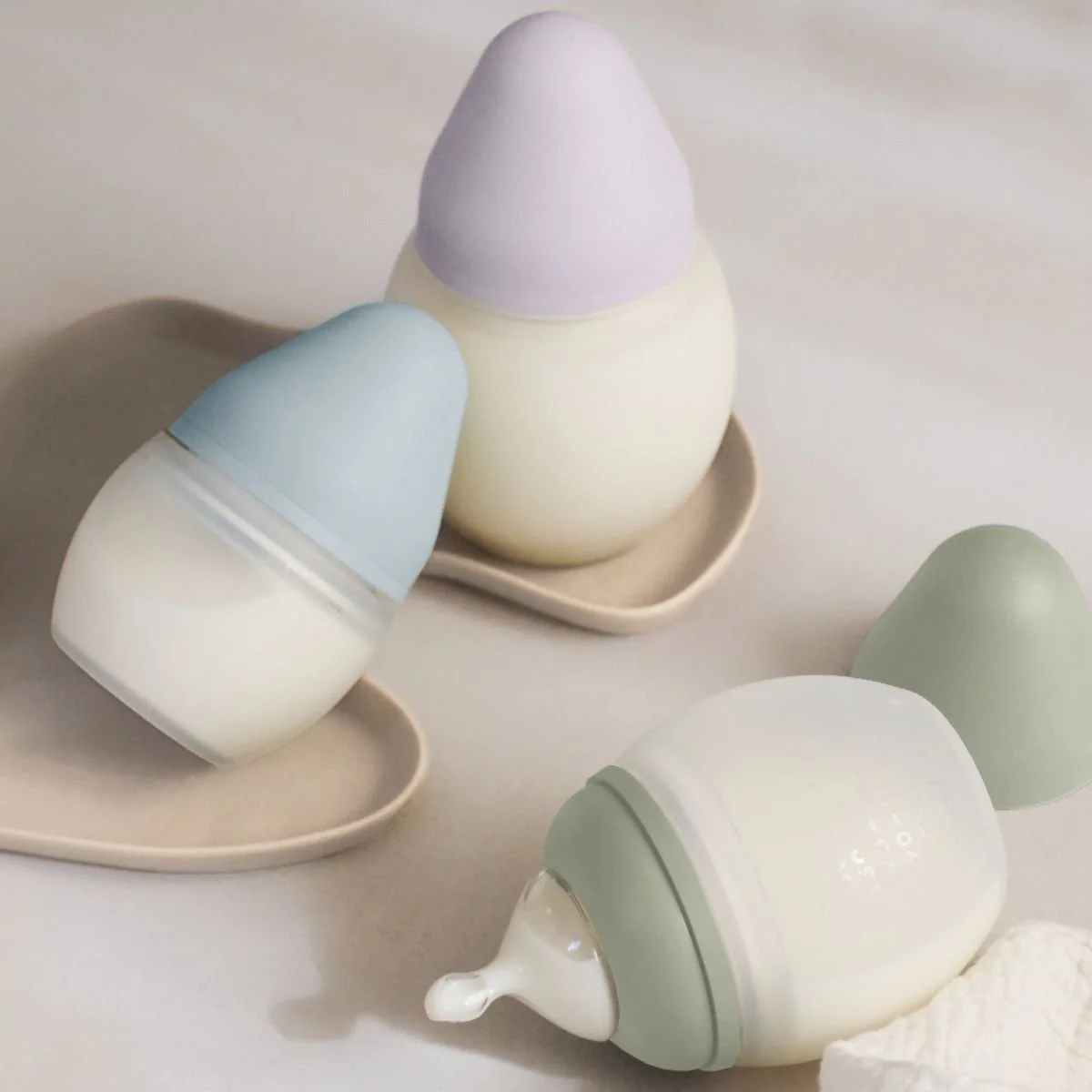
Choosing a baby formula is one of the decisions that attracts the most parental anxiety and marketing pressure. The honest answer cuts through both: EU formula regulation is strict and complete, meaning all legally sold formula in Europe is safe and nutritionally adequate. The brand differences are real but smaller than you might expect.
EU Formula Standards: Why They Matter
All infant formula sold in the EU must comply with Commission Delegated Regulation (EU) 2016/127, which sets precise requirements for every nutrient, protein content, carbohydrate composition, fat profile, vitamins, and minerals, within specific minimum and maximum ranges. This is far more prescriptive than food regulation in most other markets.
The practical implication: a budget supermarket formula and a premium organic formula both provide nutritionally adequate nutrition for your baby. The differences between brands lie in ingredient quality, sourcing, and additional components (such as prebiotics or DHA sourcing) rather than core nutritional adequacy.
The most important formula decision
The most important thing is finding a formula your baby tolerates well. not which brand scores highest on ingredients lists. If your baby feeds well, gains weight appropriately, and shows no signs of intolerance on a formula, stick with it. Switching formula frequently in search of a "better" one causes more disruption than staying with one that works.
Formula Stages Explained
| Stage | Age | Notes |
|---|---|---|
| Stage 1 (First Milk) | 0–12 months | The only stage you actually need. Suitable from birth to 12 months. Contains whey protein (easier to digest). |
| Stage 2 (Follow-On Milk) | 6–12 months | Not medically recommended by WHO/NHS/ESPGHAN. Higher casein protein, marketed as keeping babies fuller, the evidence doesn't support this claim. |
| Stage 3 (Toddler Milk) | 12+ months | Not recommended. Full cow's milk is nutritionally superior and less expensive after 12 months. |
The honest recommendation: Use Stage 1 from birth to 12 months. Then switch to full-fat cow's milk. Stages 2 and 3 exist primarily for commercial reasons, not medical ones.
Brand Comparison
| Brand | Key features | Availability | Price range |
|---|---|---|---|
| Aptamil Profutura | Added prebiotics (GOS/FOS), well-researched, palatable taste | DE, FR, ES, UK, IT, BE | €€€ |
| HiPP Organic Bio Combiotic | Organic, added probiotics (L. fermentii), EU organic certified | DE, FR, UK, BE | €€€ |
| Holle Bio | Demeter biodynamic certified, clean ingredient list, minimal additives | DE, FR, BE | €€€ |
| Lebenswert Bio | Organic, Bioland certified, very clean ingredients, German market focused | DE, BE | €€ |
| Nestlé NAN SupremePro | Added HMO (human milk oligosaccharides), widely available | All 6 markets | €€€ |
| Aldi/Lidl own-brand | Meets EU standard, no premium additions, lowest cost | DE, FR, ES, UK | € |
Buy links for leading options:
Are Organic Formulas Better?
Organic certification (HiPP, Holle, Lebenswert) means the milk source meets EU organic standards, lower pesticide residues, no routine antibiotics, outdoor access for cattle. These are genuine differences in production, not marketing claims.
Whether these differences matter for infant nutrition is debated. There is no clinical evidence that organic formula produces better health outcomes than non-organic formula that meets EU standards. The decision is primarily a personal values one, environmental and farming practice concerns, rather than a nutritional one.
Switching Formula Brands
Switching between Stage 1 formulas from different brands is nutritionally safe, all meet the same EU standard. Some babies are sensitive to the switch and may show loose stools or unsettled feeding for a few days. If switching is necessary:
- Mix old and new formula in increasing ratios over 3–5 days (75/25 → 50/50 → 25/75 → 100% new)
- If baby is tolerating one formula well, there's no reason to switch
- Switching for reasons other than intolerance or availability is unlikely to make a meaningful difference