When Do Babies Need a High Chair? (And Which One Is Actually Worth It)
Most parenting guides give a vague answer on this: "around 6 months." The reality is more nuanced, and getting the timing right genuinely matters for your baby's posture, digestion and relationship with food. Here's what you actually need to know.
The Right Age: What the Research Says
Most babies are ready for a high chair between 4 and 6 months, but the trigger is not age, it's developmental readiness. The European Society for Paediatric Gastroenterology, Hepatology and Nutrition (ESPGHAN) recommends introducing solid foods "around 6 months" but not before 17 weeks. The WHO recommends exclusive breastfeeding to 6 months, with solids introduced around that point.
The practical implication: don't rush the high chair before your baby shows the physical signs of readiness, even if a well-meaning relative insists their baby was in one at 4 months.
📌 The Short Answer
Your baby is ready for a high chair when they can sit with minimal support, hold their head steady without help, and show interest in food, typically between 5 and 6 months. Earlier than this, they lack the core strength to sit upright safely, which affects both comfort and digestion.
Signs Your Baby Is Ready for a High Chair
All four of these should be present before you start using a high chair for feeding. Some babies hit these milestones at 5 months; others closer to 7. There is no prize for early adoption.
Signs Your Baby Is Not Ready Yet
- Slumps forward or to the side when placed in a seated position
- Head still falls forward or backwards without consistent control
- Still pushing all solid food out of the mouth with the tongue reflex
- Shows no interest in watching others eat or in food
- Under 17 weeks, regardless of any other signs
Starting too early doesn't just risk choking, it also means mealtimes are uncomfortable and frustrating for baby, which can create a negative association with food that's genuinely hard to undo.
Which High Chair Should You Buy?
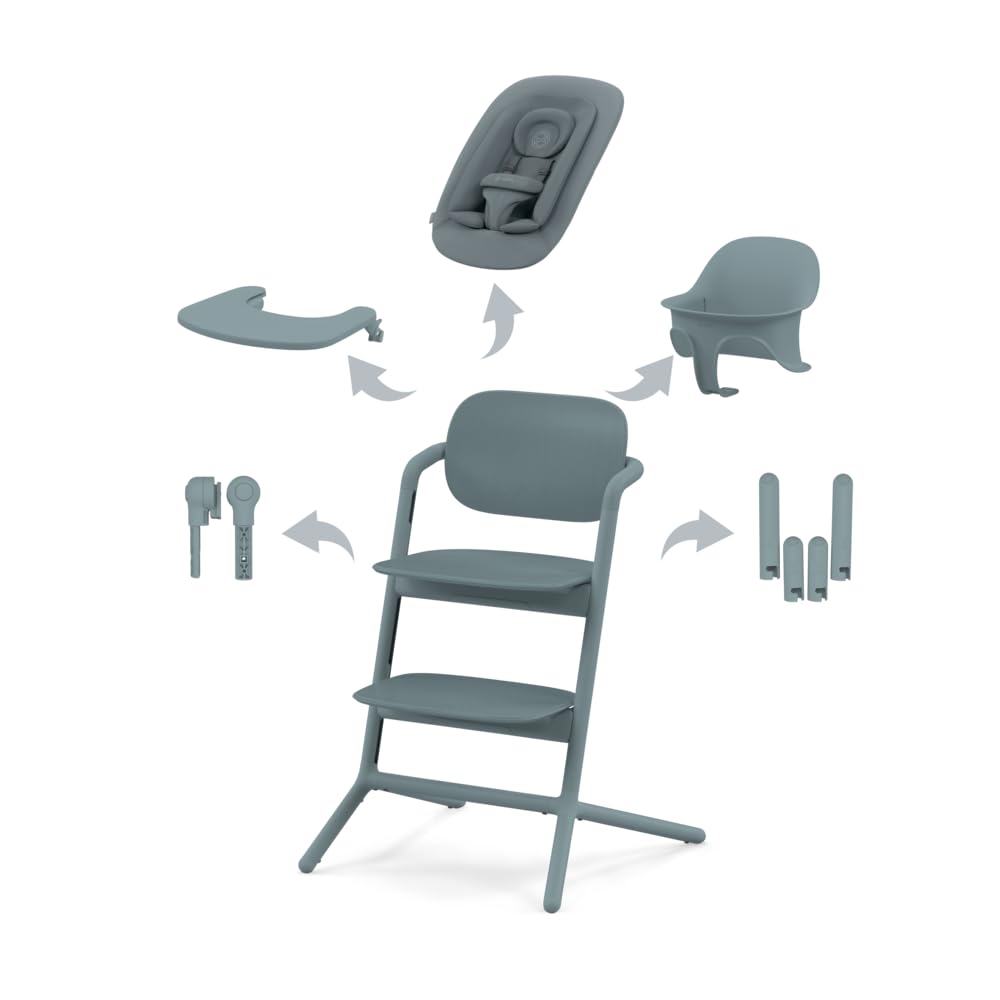
The short answer: the Cybex Lemo 2 is our top pick for parents who want the best ergonomics and a chair that grows with their baby to age 10. For budget-conscious parents, the IKEA Antilop does the job safely for under €25.
See our full guide for detailed reviews of every option: Best High Chairs 2026: Every Style Tested.
Why Chair Ergonomics Matter More Than You Think
Occupational therapists and feeding specialists consistently point to the same thing: a baby who can't sit correctly in their chair will struggle to eat well. The ideal seated position is the 90-90-90 position: 90 degrees at the hips, 90 at the knees, and 90 at the ankles, with feet supported.
A dangling footrest, or no footrest at all, forces babies to use core muscles to stabilise, leaving less energy for the actual business of eating. The IKEA Antilop has no footrest. The Cybex Lemo has an adjustable one. This is a real trade-off, not a marketing point.
If you use the Antilop, aftermarket footrest attachments exist and are worth buying once your baby is regularly eating solids.
Affiliate disclosure: links earn us a small commission at no extra cost to you. Learn more