Best Baby Carrier 2026: Every Type Tested for European Parents
Baby carriers are one of the most useful products in the first year, hands-free movement, a soothed baby, and the physical closeness that benefits both parent and infant. Choosing between the dozens of options comes down to your carrying style, baby's age, and whether back pain is a concern. This guide covers every major type and our tested top picks.
Carrier Types: Which Is Right for You?
| Type | Learning curve | Best for | Age | Back pain? |
|---|---|---|---|---|
| Structured SSC | Low, buckles and clips | Most families, versatile, easy to share between parents | 0–4yr (with infant insert or from-birth models) | Best, waistbelt transfers weight to hips |
| Stretchy wrap | Medium, wrapping technique | Newborns (0–4 months), skin-to-skin, gentle settling | 0–4 months (weight limit) | Poor. no waistbelt |
| Woven wrap | High, multiple passes | Experienced babywearers, any age | 0–toddler | Good if wrapped correctly |
| Ring sling | Medium | Quick on/off, nursing, one-shoulder carry | 0–18 months typically | Poor, asymmetric load |
| Mei Tai | Medium | Flexible sizing, cultural preference | Newborn–toddler | Moderate |
T.I.C.K.S. Safety Rules. Required Reading
⚠️ T.I.C.K.S. : Every carry, every time
T, Tight: The carrier should be snug. A loose carrier causes baby to slump, which restricts the airway.
I, In view at all times: You must be able to see baby's face by glancing down. Never carry with the carrier covering baby's face.
C, Close enough to kiss: Baby should be high enough that you can kiss the top of their head without straining.
K, Keeping chin off chest: At least one finger must fit between baby's chin and their chest. Chin to chest restricts the airway.
S, Supported back: Baby's back should be fully supported in a natural curved position. No slumping or arching.
Full 2026 Carrier Rankings
| Carrier | Score | Type | From birth? | Waistbelt | Buy |
|---|---|---|---|---|---|
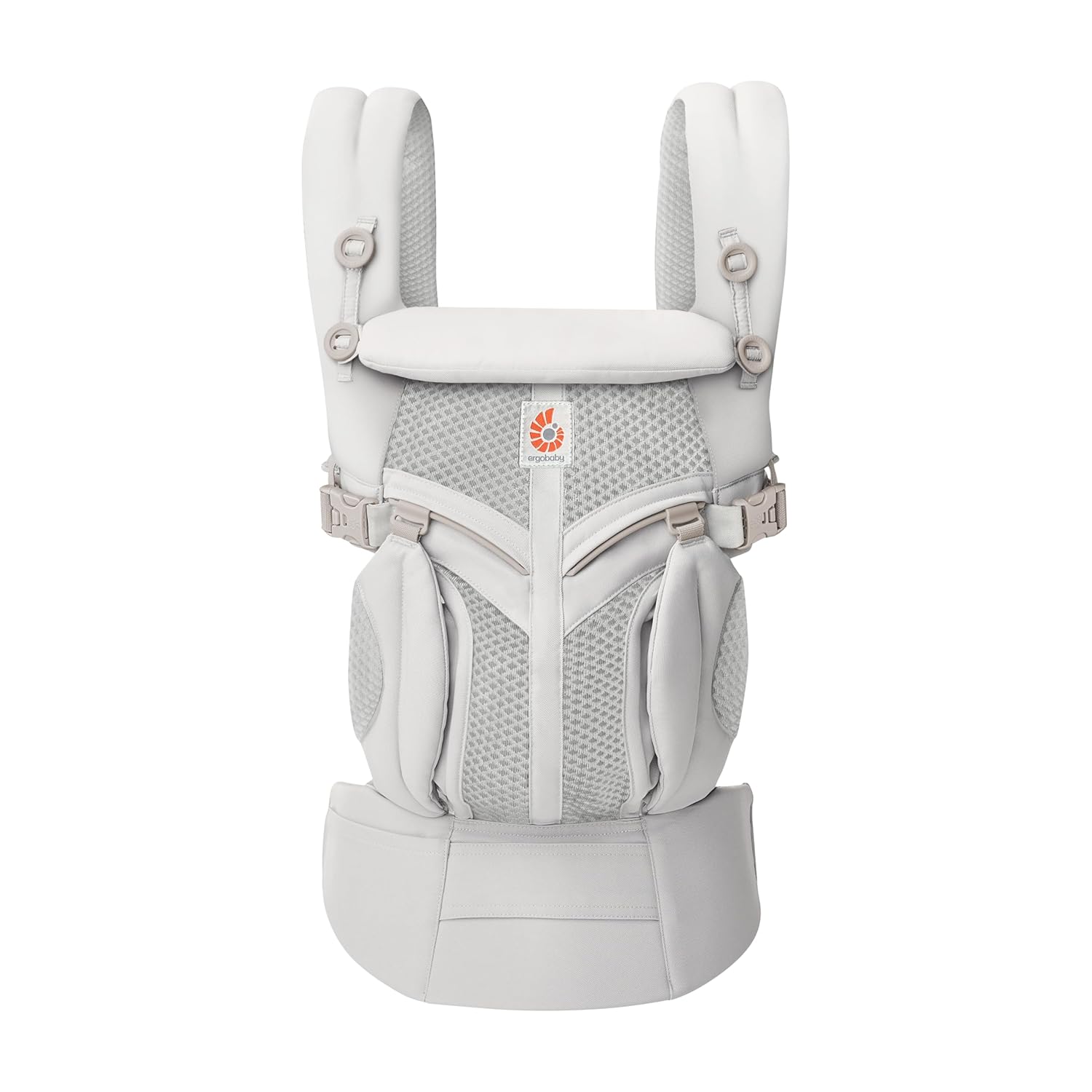
| Ergobaby Omni 360 🏆 | 4.8 | Structured SSC | Yes | Yes, wide | |
| BabyBjörn One Air | 4.5 | Structured SSC | Yes | Yes, thinner | |
| Ergobaby Embrace | 4.4 | Soft structured (newborn) | Yes | No | |
| LÍLLÉbaby Complete | 4.4 | Structured SSC | Yes | Yes | |
| BabyBjörn Mini | 4.2 | Structured (newborn) | Yes | No |
1. Ergobaby Omni 360 : Our Top Pick
"The Ergobaby Omni 360 covers every carrying need from birth through toddlerhood without requiring additional accessories. The waistbelt is the best hip-transfer design in structured carriers, genuinely reducing back fatigue compared to shoulder-heavy alternatives. Four carry positions means it adapts as baby grows."
- From birth. no infant insert required
- 4 carry positions: front-in, front-out, hip, back
- Best waistbelt in class, transfers weight to hips
- 0–20kg (approximately 0–4 years)
- Available in mesh (Omni Breeze) for summer
- Lumbar support panel on back
- Premium price (€160–€200)
- Warm in standard cotton version, mesh version recommended for summer
- Learning curve for back carry (15–20 min first time)
2. BabyBjörn One Air. Best Mesh Alternative
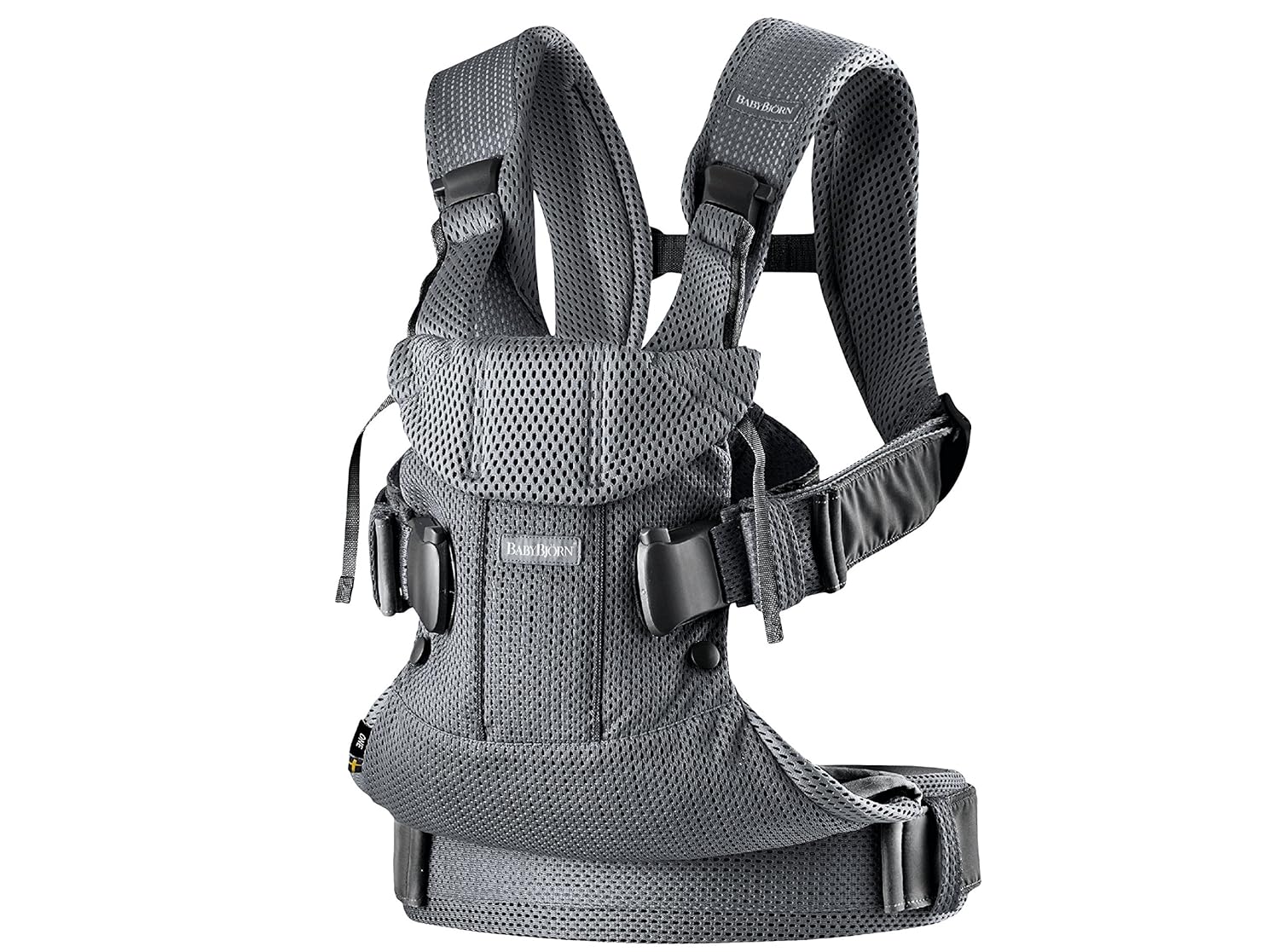
"The BabyBjörn One Air is the most popular carrier in Germany and Scandinavia. The mesh fabric is the standard version (not an upgrade), making it genuinely suitable for year-round European use. Easier to put on and adjust one-handed than the Ergobaby."
- Mesh standard, cooler than Ergobaby cotton
- Easier one-handed adjustment
- From birth without insert
- Front-facing out position available
- Scandinavian design, widely trusted brand
- Thinner waistbelt vs Ergobaby, less hip transfer
- Lower weight limit (12kg vs 20kg for Ergobaby)
- No back carry
Best Carriers Specifically for Newborns
For the first 3 months, a softer carrier is often preferred, newborns need the M-position hip support and a snug hold that some structured carriers achieve more easily with a dedicated newborn carrier:
- Ergobaby Embrace, specifically designed for newborns 0–12 months. Softer, simpler, no waistbelt. Easy to put on alone. Transitions to the Omni 360 when baby is ready for a structured carrier.
- Boba Wrap, a stretchy wrap that provides skin-to-skin closeness and works beautifully for newborns up to 4–5 months. Not recommended beyond that due to weight limits.
- Ergobaby Omni 360 from birth, possible from birth without insert. The waistbelt is beneficial for parents with back concerns even in the newborn stage.