Best Baby Walkers in Europe 2026: Push Walkers Tested and Ranked
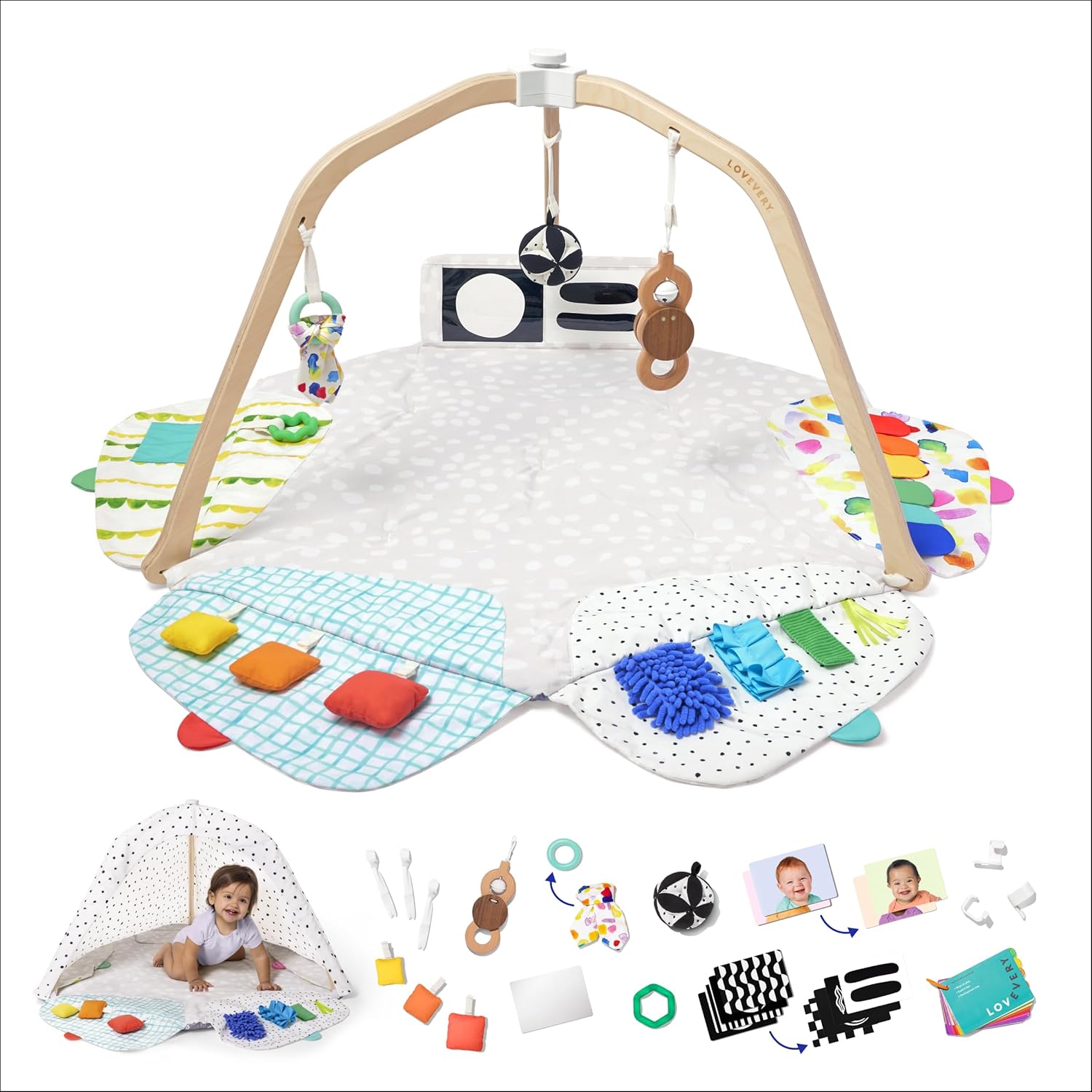
The word "baby walker" means two completely different things: the sit-in wheeled walker (banned in Canada, heavily discouraged across Europe) and the push walker (a toy baby pushes while walking). This guide covers the safe option in detail and explains the safety issue with sit-in walkers clearly.
Why Sit-In Walkers Are Banned or Discouraged in Europe
⚠️ Sit-in wheeled walkers: the safety issue
Sit-in baby walkers (the ring/saucer shape where baby sits inside a wheeled frame) are banned in Canada and heavily discouraged by European health authorities including the NHS, the AAP, and most European paediatric societies. The reasons: they dramatically increase stair fall risk by giving pre-mobile babies the speed and direction capability to reach hazards; multiple studies show they delay walking development; and they contribute significantly to head injuries. Several EU countries are considering following Canada's ban. European paediatric bodies recommend against using them.
Push Walkers: The Safe Alternative
A push walker is an entirely different product, baby stands behind a handle and pushes a toy on wheels. They bear their own weight completely, learn balance through natural trial and error, and the walker provides light support only when needed. This is developmentally beneficial rather than harmful.
The key quality criterion for a push walker is resistance: a push walker that moves too easily provides no support and baby falls forward. Look for adjustable resistance or a naturally heavy, stable toy.
Our 2026 Push Walker Rankings
| Walker | Score | Resistance | Age | Buy |
|---|---|---|---|---|
| IKEA MULA 🏆 Best value | 4.5 | Good, weighted base | 10m–2yr | 🇩🇪 IKEA |
| Hape Wonder Walker | 4.4 | Adjustable resistance | 10m–2yr | |
| VTech Sit-to-Stand Learning Walker | 4.2 | Moderate | 9m–3yr |
When to Introduce a Push Walker
The right time is when baby begins pulling to standing independently, typically between 9 and 12 months. Before this stage, baby lacks the leg strength and balance to use a push walker effectively. After baby is confidently cruising along furniture, a push walker allows them to practice the stepping motion away from fixed support.
Don't introduce a push walker before baby is ready, a baby who isn't yet pulling to standing will simply fall forward behind it.