Cloth vs Disposable Diapers: An Honest Comparison for European Parents
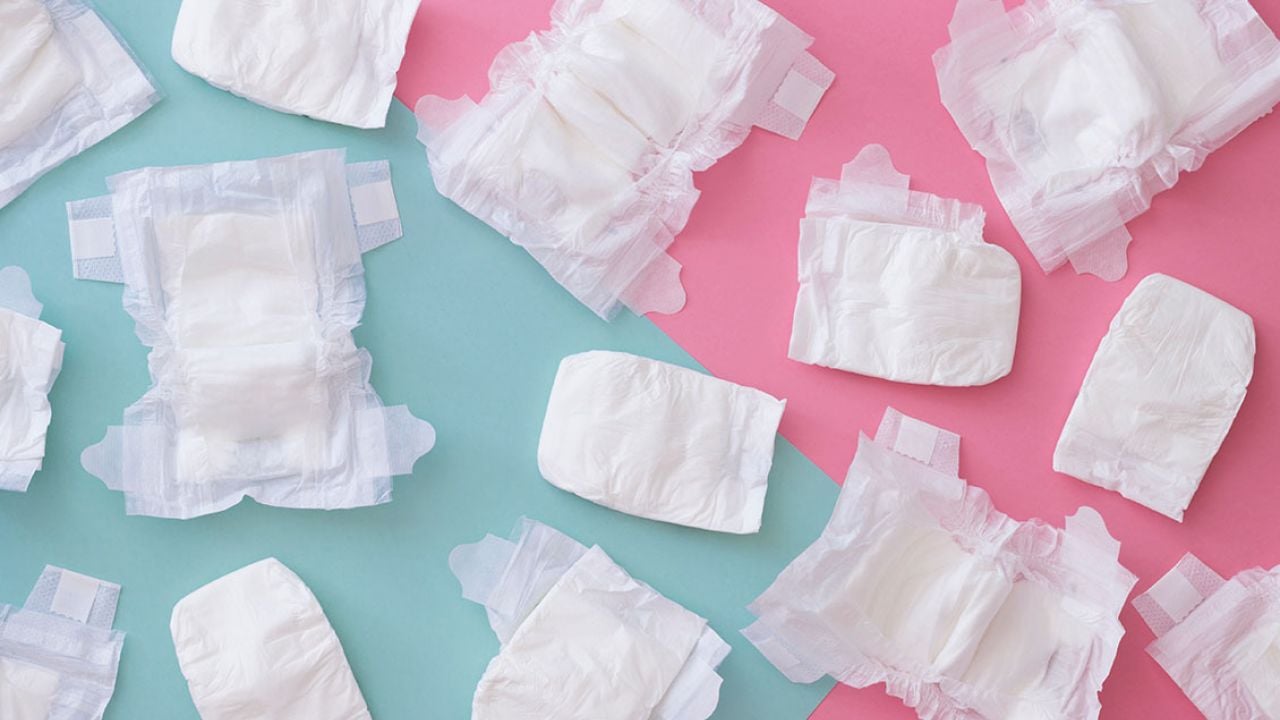
The cloth vs disposable debate generates more parental guilt than almost any other baby product decision. This guide cuts through the ideology and gives you the honest numbers and trade-offs, so you can choose based on your actual situation rather than what you feel you should do.
Environmental Impact: The Real Story
The environmental case for cloth diapers is more complicated than it first appears. A 2008 UK Environment Agency lifecycle analysis found that the carbon footprint of cloth diapers, when washed at 60°C and tumble-dried, was comparable to disposables. Washed at 40°C and line-dried, cloth diapers have a significantly lower carbon footprint, approximately 40% lower than disposables.
Disposable diapers: Each one takes approximately 500 years to decompose in landfill. A typical child uses 5,000–6,000 disposable diapers. The manufacturing process uses significant water and petroleum resources.
Cloth diapers: Production requires cotton (water-intensive) or synthetic fibres. The environmental impact shifts primarily to washing, water consumption, detergent, and energy. Passed to a second child, the environmental benefit increases significantly.
The honest environmental conclusion
Cloth diapers are better for the environment IF washed at low temperatures, line-dried, and used for multiple children. Disposables are better if cloth diapers are washed hot and tumble-dried. Eco-certified disposables (Bambo Nature, Lillydoo) reduce some environmental impact without the washing burden.
Cost Comparison Over 2 Years
| Option | Setup cost | Running cost | Total 2 years |
|---|---|---|---|
| Full-time disposable (Pampers) | €0 | ~€1,800–2,400 | ~€1,800–2,400 |
| Full-time disposable (budget) | €0 | ~€1,000–1,400 | ~€1,000–1,400 |
| Full-time cloth (modern) | €300–600 | ~€200 (washing) | ~€500–800 |
| Hybrid (cloth day, disposable night) | €150–300 | ~€600–800 | ~€750–1,100 |
Cloth diapers save real money, but only if you actually use them consistently. A set of cloth diapers that sits in a drawer doesn't save anything.
Convenience and Practicality
Disposables win on convenience, this is not close. There is no debate on this point:
- No washing, drying, stuffing or preparation
- Grandparents, childminders and nurseries handle them without training
- Travel is simple. no wet bag, no logistics
- No risk of running out of clean diapers
Cloth diapers require a system: wet bags, washing routine, drying time (cloth diapers can take 24+ hours to line-dry in winter), and stuffing pocket diapers. Most families underestimate this time cost before committing.
Skin Health
There is no strong evidence that either cloth or disposables are categorically better for diaper rash in healthy babies. The most important factor is frequency of changes, a wet diaper of any type left too long causes rash.
Some babies with very sensitive skin do better in cloth, as modern disposables contain absorbent gels (SAP) that some parents are uncomfortable with. Eco-certified disposables like Lillydoo eliminate some chemical concerns without switching to cloth.
The Hybrid Approach: Best of Both
Many families find a hybrid approach the most practical: disposables at night (higher absorbency matters for 10-12 hour stretches) and cloth during the day from about 3 months (when the chaos of the newborn period has settled).
This approach reduces disposable use by 50–60%, cuts costs significantly, and avoids the cloth system during the hardest weeks. It also avoids the all-or-nothing commitment that causes many cloth diaper experiments to fail.
Affiliate disclosure: links earn us a small commission at no extra cost to you. Learn more