Every parent buys diapers. Most parents pick a brand, stick with it, and never really know if they chose the best one. We decided to actually test, using all three brands on the same baby over four weeks, switching brands every few days and tracking leaks, skin reaction, ease of use and value.
The short version: Pampers Premium Protection wins overall. It has the best absorbency, the softest material, and the most consistent performance across all sizes. Lillydoo is the right choice for parents who want plant-based materials and are willing to pay more for peace of mind on chemicals. Huggies is the best value, it's not as good as Pampers in our testing, but it's close enough for daytime use at a lower price per diaper.
How We Tested
- Absorbency: Time to saturation, overnight leak performance, blowout rate
- Skin comfort: Material softness, breathability, rash incidence over test period
- Fit: Leg cuff design, waistband elasticity, sizing accuracy
- Ease of use: Tab repositionability, wetness indicator (where present), packaging
- Value: Price per diaper across DE, FR, ES, UK markets
- Materials: Chlorine-free, plant-based content, EU chemical safety compliance
At a Glance: All Three Brands
Score Breakdown by Criterion
| Criterion | Pampers Premium | Lillydoo | Huggies | Winner |
|---|---|---|---|---|
| Absorbency | Pampers | |||
| Skin comfort | Pampers | |||
| Fit & leak prevention | Tie | |||
| Eco / materials | Lillydoo | |||
| Value for money | Huggies | |||
| Overall score | 4.6 |
4.3 |
4.0 |
Pampers |
Pampers Premium Protection. Our Overall Winner
Pampers Premium Protection is the most used baby diaper in Europe, and our testing confirmed that this isn't just a matter of marketing budget. The absorbency is genuinely superior, particularly overnight, where the Premium consistently outperformed both alternatives over our four-week test.
The material is noticeably softer than Huggies, something that matters more than you'd think when a baby is wearing this product 6–8 times a day. The stretch panels and tab system allow good repositioning, which reduces waste when you pull a tab and need to reapply.
For newborns specifically, the Pampers Premium has two features the others lack: a wetness indicator strip (turns yellow when wet, invaluable in the first weeks) and an umbilical cord notch in the newborn size, which prevents irritation during healing.
The main argument against Pampers Premium is price. It's the most expensive of the three, and on a per-diaper basis, the premium over Huggies is real, especially if you're buying 200+ diapers a month in the early weeks.
Lillydoo. Best for Eco-Conscious Parents
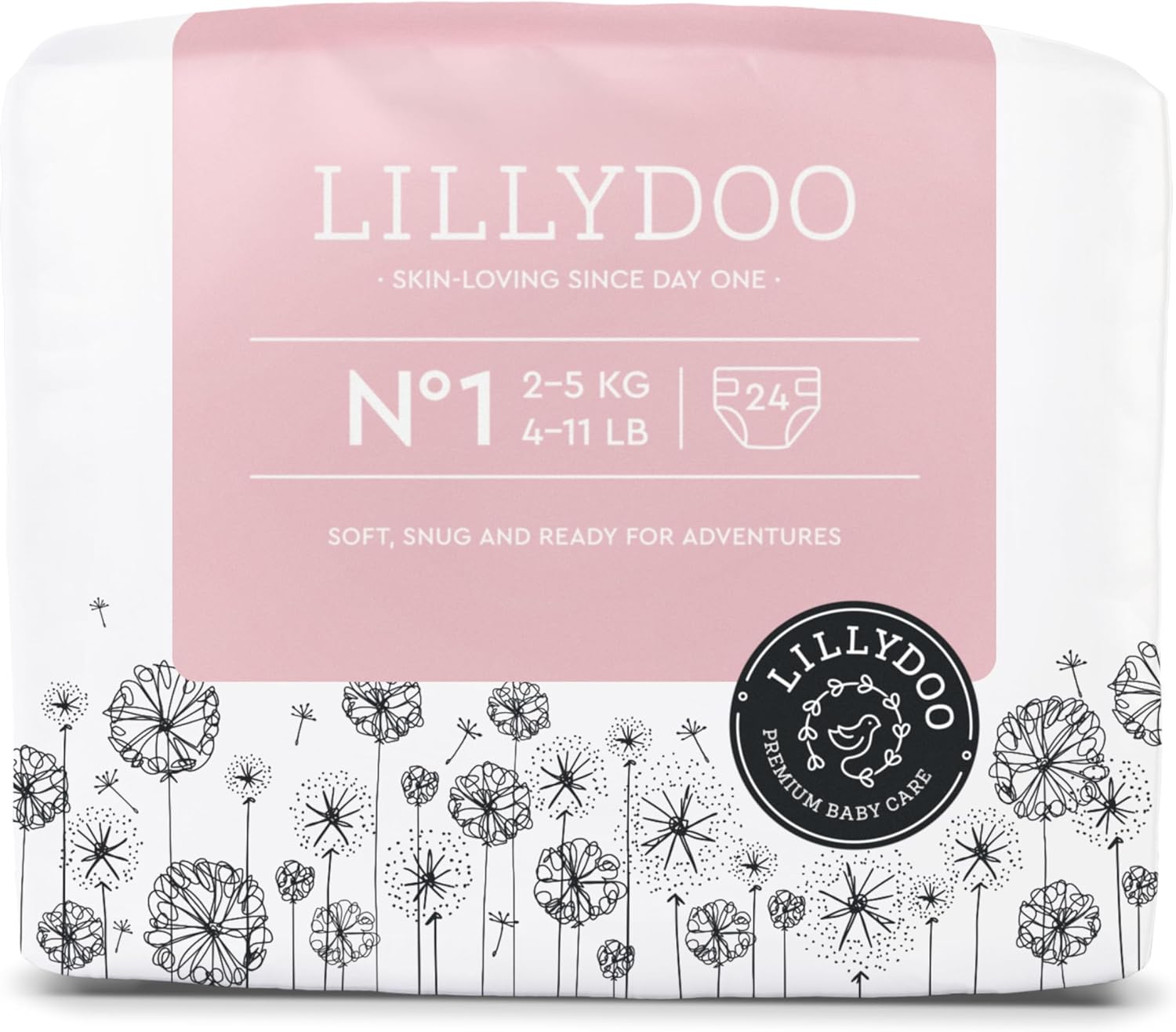
Lillydoo is a German brand with a subscription model and a genuinely different approach to materials. The diapers are made with plant-based top sheet, are free from chlorine bleaching, and carry Oeko-Tex Standard 100 certification, meaning every component has been tested for harmful substances.
In our absorbency testing, Lillydoo came closer to Pampers than we expected, particularly in the Size 2 and Size 3 range. For daytime use, the difference is negligible. For overnight use with a heavy wetter, Pampers still edges ahead.
The subscription model is worth understanding. Direct from Lillydoo, subscriptions start at around €0.28–€0.35 per diaper depending on size, comparable to or slightly below Pampers on Amazon when you factor in subscription discounts. The environmental argument and the materials argument are both real; the cost argument is less clear-cut than Lillydoo's marketing suggests.
Who should choose Lillydoo: Parents with babies who have shown sensitivity to conventional diapers, or parents for whom the environmental case for plant-based materials is a genuine priority.
Huggies. Best Value Pick
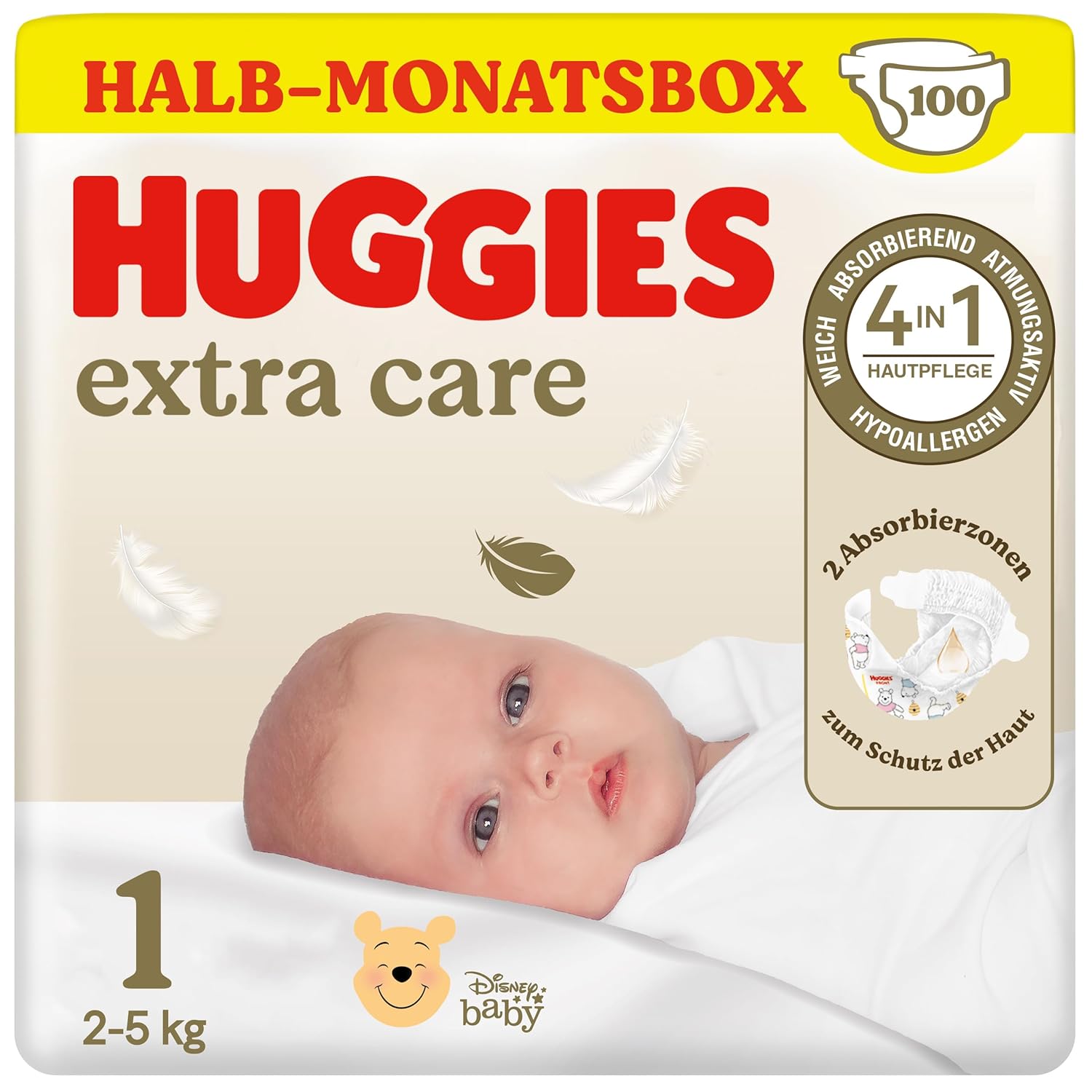
Huggies scored lower than Pampers in our testing on softness and overnight absorbency, but one area where it genuinely excels is leg cuff design. The double cuff system that Huggies uses is particularly effective at preventing blowouts, the kind of catastrophic leaks that ruin outfits and require full wardrobe changes in public. Parents whose babies are prone to blowouts may find Huggies the better practical choice regardless of overall score.
The price difference is real. In Germany, a pack of Huggies runs approximately 15–20% cheaper per diaper than Pampers Premium on Amazon. Over a year of full diapering, that's a meaningful sum. If budget is the primary constraint, Huggies does the job.
Price Comparison Across European Markets
Prices vary significantly by market and by where you buy. These are approximate prices per diaper for a Size 3 pack (the most commonly used size):
| Brand | 🇩🇪 Germany | 🇫🇷 France | 🇪🇸 Spain | 🇬🇧 UK |
|---|---|---|---|---|
| Pampers Premium | €0.38–0.45 | €0.40–0.48 | €0.35–0.42 | £0.30–0.38 |
| Lillydoo (subscription) | €0.28–0.35 | €0.30–0.38 | €0.30–0.36 | N/A |
| Huggies | €0.28–0.35 | €0.30–0.37 | €0.26–0.33 | £0.22–0.28 |
Note: Lillydoo is not widely available in the UK market. Amazon subscription pricing and supermarket pricing can differ significantly, buying in bulk typically reduces the per-diaper cost for all brands.
Frequently Asked Questions
Our Verdict
The Bottom Line
Pampers Premium Protection wins the overall test. If you're choosing one brand and want the best performance without thinking about it, Pampers is the right choice. The extra cost is real but modest when spread over the daily diapering cost.
Choose Lillydoo if eco-credentials and plant-based materials matter to you, or if your baby has shown sensitivity to conventional diapers. The subscription model makes it more price-competitive than the per-pack price suggests.
Choose Huggies if budget is the primary concern, or if your baby is prone to blowouts. Huggies' leg cuff design is genuinely the best of the three for preventing blowout leaks.