How to Set Up a Baby Nursery: A Practical Guide for European Parents
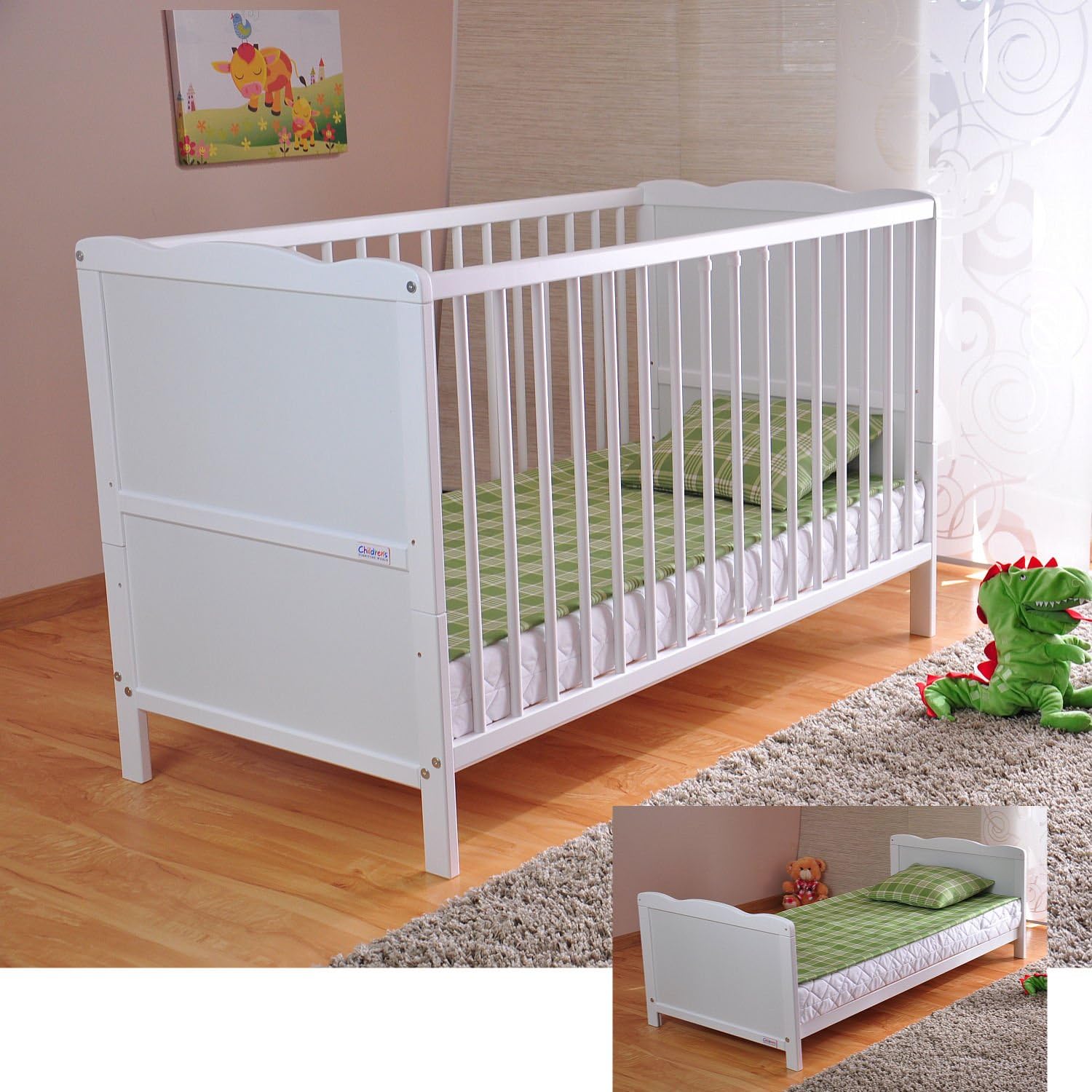
Setting up a nursery generates enormous amounts of advice, much of it commercially motivated. This guide focuses on what genuinely matters for baby's safety and your practical experience of daily caregiving. not the aesthetics that dominate Instagram nursery content.
The Safe Sleep Zone
The sleep area is the most important part of the nursery to get right. EU safe sleep guidelines are clear:
- A firm, flat crib mattress. not memory foam, not tilted, not soft. Test: press your palm in and it should spring back immediately
- The crib must meet EN 716, required for all EU-sold cribs since 2011. No drop sides, 45–65mm slat spacing, maximum 25mm gap between mattress and crib sides
- No bumpers, banned in several EU countries, discouraged by all. They're a suffocation risk regardless of claims about "breathability"
- No pillow, no duvet, no positioning wedges, until 12 months, a fitted sheet on a firm mattress is everything baby needs
- Room temperature: 16–20°C is the EU recommended range for baby's sleep environment
See our full guide on Best Baby Cribs 2026 and Safe Sleep for Babies for detailed product recommendations.
Changing Setup
You'll change approximately 2,000–3,000 nappies in the first year. Ergonomics matter enormously. Options:
- Dedicated changing table: Right height eliminates back strain. The IKEA SNIGLAR (€40) is the best value. Keep everything within arm's reach. never leave baby unattended on a changing table at any age
- Changing mat on a dresser top: Saves space and is equally practical. Use an anti-slip mat underneath. Height should be at hip level for the primary caregiver
- Floor mat only: Works but requires kneeling for every change, unsustainable at 3am for months on end
Keep a nappy caddy stocked: nappies in 2 sizes (babies grow unpredictably), barrier cream, cotton wool or water wipes, and a change of baby clothes at arm's reach.
Feeding Area
Whether breastfeeding or bottle-feeding, a comfortable chair or nursing chair in the nursery makes night feeds significantly less miserable. Criteria: back support that goes to the top of your head, armrests at the right height, and a firm cushion (not too soft, you'll fall asleep). A footstool is underrated, it lifts your lap which reduces strain on the back during feeding position.
Light and Sound
Blackout blind: The single most impactful purchase for baby sleep after the mattress. Any light entering the room at naptime or early morning disrupts sleep. A well-fitted blackout blind that blocks 100% of light is essential. not optional. Measure the window precisely; gaps at the edges defeat the purpose.
Nightlight: A dim amber or red nightlight for night feeds, red spectrum light has the least impact on melatonin production. See our guide: Best Baby Nightlights 2026.
White noise: Optional but effective for many babies. A dedicated white noise machine or an old phone with an app works equally well. Volume under 50dB, positioned across the room. not in the crib. See: Best White Noise Machines 2026.
What to Skip Entirely
- Cot bumpers, suffocation risk. Banned in several EU countries. Never use
- Baby pillow. not until 12–18 months, and not required then either
- Wipe warmer, creates a bacterial breeding environment and is completely unnecessary
- Nappy disposal unit (Sangenic/Diaper Genie), a small bin with a lid works identically at a fraction of the cost and without proprietary refills
- Baby monitor in a very small apartment, if you can hear baby from every room without a monitor, you don't need one
Realistic Budget Breakdown
| Item | Budget option | Mid option | Premium |
|---|---|---|---|
| Crib + mattress | IKEA Sundvik €80 + mattress €40 | Leander €400 | Stokke Sleepi €600 |
| Changing setup | IKEA SNIGLAR €40 | Dresser + mat €150 | Stokke Care €400 |
| Nursing chair | Secondhand armchair €30 | IKEA Poäng €100 | Dutailier glider €400 |
| Blackout blind | IKEA MAJGULL €20 | Velux Duo roller €80 | Custom blackout €200 |
| Wardrobe storage | IKEA KALLAX €60 | IKEA PAX €150 | Custom €500+ |
| Total essentials | ~€230 | ~€480 | ~€1,700+ |
Affiliate disclosure: links earn us a small commission at no extra cost to you. Learn more